Raki: A Complete Guide to Albania’s National Drink
If there’s one drink that captures the spirit of Albania, it’s raki — a clear, fiery fruit brandy poured at every welcome, every meal and every meaningful moment. Walk into an Albanian home for the first time and within five minutes someone will press a small glass into your hand. Refuse it, and you’ll quietly insult your host; accept it, and you’ve just been welcomed into one of the oldest hospitality traditions in Europe. Here’s what raki actually is, the types and regions worth knowing, and how to drink it without embarrassing yourself.
The short version – What: clear fruit brandy, usually distilled at home — closer to Italian grappa than Turkish raki – Main types: grape (most common), plum, mulberry, cherry, honey-infused – Alcohol: 40–55%; homemade can hit 60% – How to drink: small glass, sipped (not shot), at room temperature, before or with meals – The toast: Gëzuar! — “Cheers!”
What is Albanian raki?
Raki (sometimes spelled rakia) is a clear, strong fruit brandy produced by fermenting and distilling fruit. It’s served unaged in most cases, has an alcohol content of around 40–55% (homemade versions can exceed 60%), and is drunk neat at room temperature in small shot-style glasses.
Two quick distinctions to clear up confusion:
- Albanian raki ≠ Turkish rakı. Turkish rakı is aniseed-flavoured and turns milky-white with water — like Greek ouzo. Albanian raki is fruit-forward, unflavoured by anise, and stays clear. Easy mistake; very different drinks.
- Albanian raki ≈ Italian grappa, Greek tsipouro, Balkan rakija. All grape- or fruit-based, unaged, clear spirits. Albanian raki sits in the same family as Serbian, Croatian and Bulgarian rakija — though those are often plum-based, where Albanian raki is more often grape-based.
Types of raki you’ll encounter
Raki rrushi (grape raki) — the everyday default. Made from grapes — sometimes from pomace (like grappa), sometimes from whole grapes — and the most common style across most of the country. Best examples come from Skrapar and Përmet in the south.
Raki kumbullë (plum raki) — sweeter and fruitier; particularly popular in Korçë and Pogradec in the east, and across northern Albania.
Raki mani (mulberry raki) — distinctively fruity, smooth, less common. The best examples come from Tropoja in the far north and small Riviera producers.
Raki qershi (cherry raki) — sweet and accessible; less common, often homemade.
Raki me mjaltë (honey raki) — raki softened and sweetened with local mountain honey. Less harsh than straight raki, warm and mellow. Common in older households; rarely commercial. Worth seeking out at agritourism farms and festivals.
Raki thanit (Cornelian cherry raki) — niche, made from the wild Cornelian cherry. Considered a special-occasion raki rather than everyday.
Aged raki — small but growing category. Producers like Kallmeti and Kinolli age raki in oak barrels (Kinolli’s “Georges” version sits in French oak for three years), producing something closer to brandy than the traditional clear style.
Where the best raki comes from
Three regions stand out for the quality of their production:
- Skrapar (south) — celebrated for grape raki, often considered the country’s benchmark.
- Përmet (south) — another southern grape-raki heartland; visit the Permet raki festival if you can.
- Korçë (east) — known for plum raki and a culture of small-producer fruit spirits.
- Tropoja (north) — exceptional mulberry raki.
Most Albanian families with rural roots make their own — and homemade raki is widely considered better than anything you can buy commercially. If you’re invited to a home, accept what they pour you; it’s almost certainly not for sale anywhere.
How to drink raki (and not look like a tourist)
The rules are unwritten but consistent:
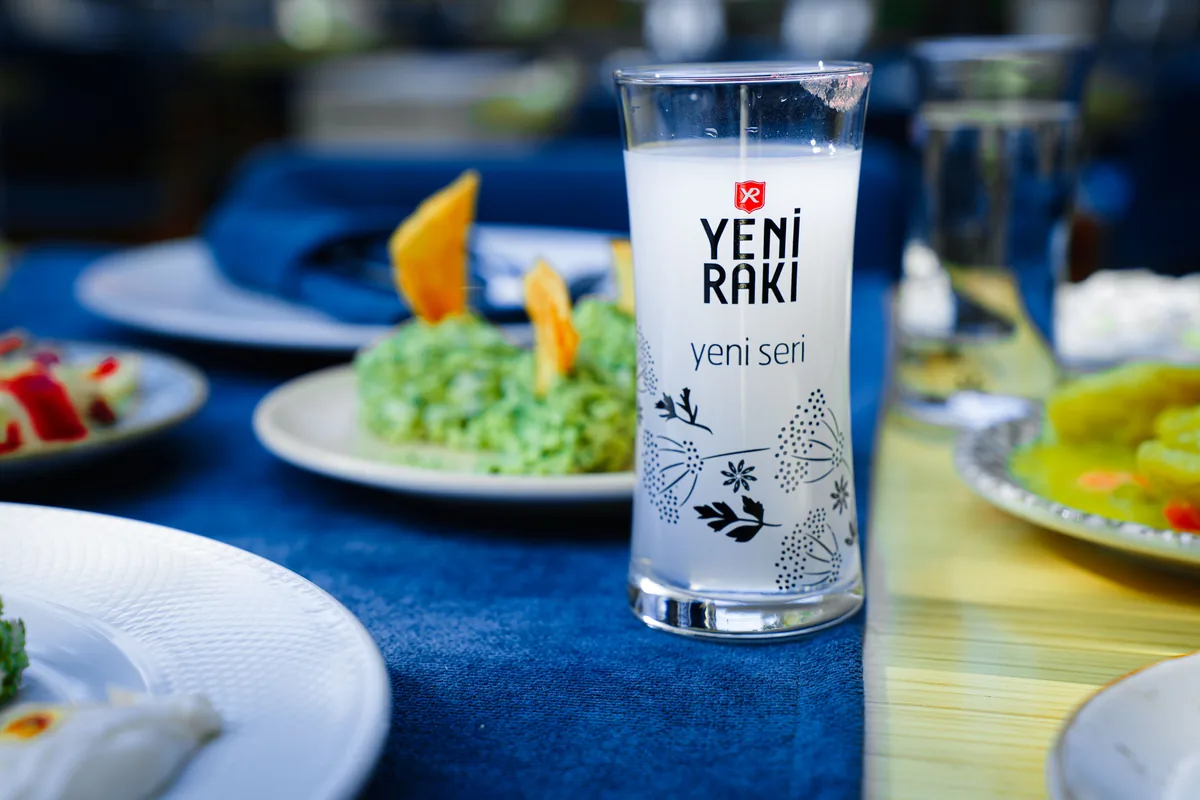
- Glass: a small, narrow shot-style glass, usually 30–50 ml.
- Temperature: room temperature. Don’t chill it, and don’t ask for ice (you can, but you’re signalling tourist).
- Pace: sip, don’t shoot. Tequila-style downing it in one is wrong here — raki is a sipping spirit. The first sip is fiery; the fruit aromas come out as you go.
- When: before a meal as an aperitif (“to open the stomach”), with the meal, or after as a digestif. Some Albanians take a small one in the morning with coffee — folk medicine territory.
- The toast: raise the glass, eye contact, say “Gëzuar!” (gay-ZOO-ar) — “Cheers!” Clink glasses with everyone at the table.
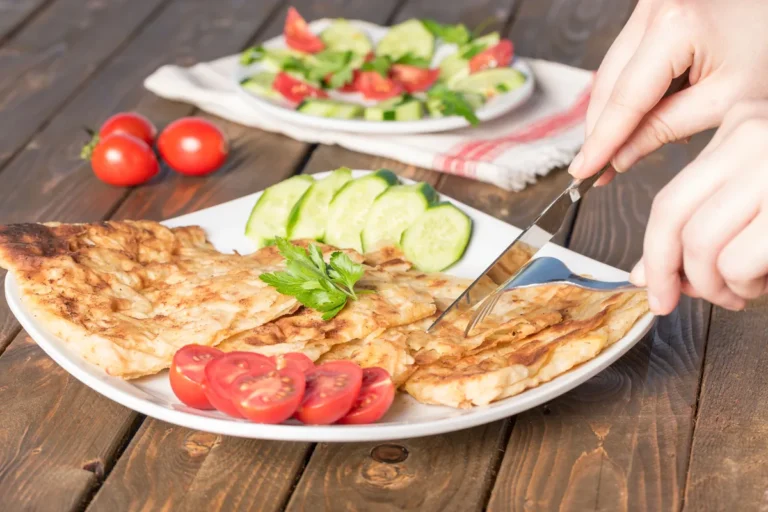
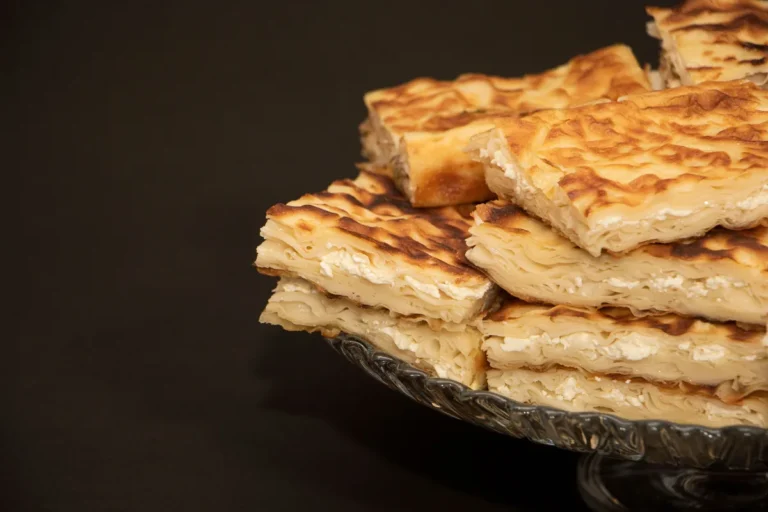
- Pairs with: olives, white cheese, smoked meats, byrek (guide) — savoury salty snacks balance the spirit.
A common foreigner mistake: mistaking the welcome raki for an invitation to keep going. A single glass of welcome raki is the cultural baseline; second and third pours are real drinking. Pace yourself, especially with homemade versions — they’re stronger than they taste.
Raki and Albanian hospitality
Raki isn’t really about alcohol — it’s about mikpritja, the Albanian word for hospitality, which is sacred here. When you arrive at someone’s home, a guesthouse or even a small shop in the mountains, you’ll often be offered raki within minutes. This isn’t a sales tactic. It’s a centuries-old gesture of welcome that predates tourism. The raki is usually free and always sincere.
Refusing is awkward but not impossible — a polite “Faleminderit, por jo, falë.” (“Thank you, but no, sorry.”) with a smile usually does it. If you genuinely can’t drink (medication, pregnancy, religious reasons), say so honestly; Albanians are understanding. But for most travellers, just accept the welcome glass — it’s part of the experience.
For the wider table dynamics — when to refuse food, how meals flow, the place of raki in besa — see our dining etiquette guide.
Where to try raki as a traveller
- In any traditional restaurant — Oda and Era in Tirana, family-run places everywhere. See our Tirana restaurants guide.
- At an agritourism farm — places like Uka Farm near Tirana let you taste several styles with a meal.
- At a distillery — small producers around Skrapar, Përmet and Korçë offer tastings.
- At festivals — the Permet raki festival (autumn) is the most authentic immersion.
For a glass after the meal, ask for a “raki shtëpie” — house raki, the small-batch version the restaurant has from its own or a local producer. It’s almost always better than anything bottled.
A few honest cautions
- Strength. Homemade raki is often 60%+ alcohol. Treat it accordingly.
- Quality varies. A bad batch of homemade raki — unfiltered, poorly distilled — can be rough on the body. Trust your host, and politely sip rather than down it.
- Driving. Albania has zero tolerance for new drivers and very low limits otherwise; never drive after raki, even a small one.
Related drinks
Albania also has a serious — and underrated — wine culture, plus a famous cognac-style brandy:
- Albanian wine is small but real, with indigenous grapes worth discovering. See our wine guide.
- Skënderbeu Konjak — an oak-aged brandy made in the cognac tradition by Kantina Skënderbeu (Durrës / Tirana) since 1967. Often listed as a digestif at better restaurants.
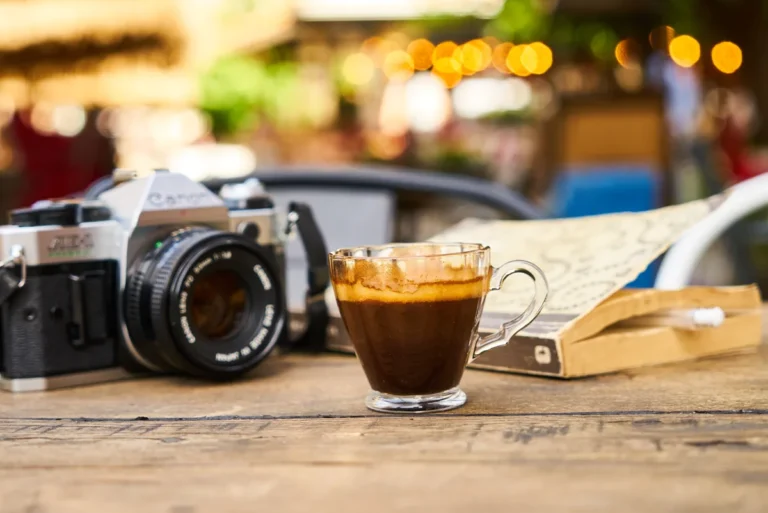
- Coffee culture is the other half of Albanian social drinking — see the Albanian coffee culture guide.
Frequently asked questions
What is Albanian raki? Raki is Albania’s national drink: a clear, strong fruit brandy (usually grape, plum or mulberry) distilled from fermented fruit, served in small glasses at room temperature. Alcohol content is 40–55%, sometimes higher for homemade.
Is Albanian raki the same as Turkish raki? No. Turkish rakı is aniseed-flavoured and turns milky with water. Albanian raki is fruit-forward, unflavoured by anise, and stays clear. It’s closer to Italian grappa or Greek tsipouro.
How do you drink Albanian raki? In a small glass at room temperature, sipped (not shot), before or during a meal. Raise your glass, say Gëzuar!, make eye contact and clink with everyone at the table.
What is raki made from? Most often grapes; also plums, mulberries, cherries, apples and (rarely) Cornelian cherries. Each region has its own preferred fruit and style.
How strong is Albanian raki? Usually 40–55% alcohol, with homemade versions sometimes exceeding 60%. Treat it with respect, especially at someone’s home where you don’t know the producer.
Can you refuse a raki politely? Yes — a smiling “Faleminderit, por jo” (thank you, but no), ideally with a reason like driving or medication, is fine. But for most travellers, the welcome raki is part of the experience — accept the first glass even if you don’t finish it.
Keep exploring
Related guides: Albanian Coffee Culture · Albanian Wine · Traditional Albanian Food · Albanian Dining Etiquette · Albanian Food Guide (hub)