Albanian Customs and Etiquette: Do’s and Don’ts
Quick facts: Albanian social life centres on hospitality, family and the evening stroll known as the xhiro. Guests are treated as sacred. Head gestures for yes and no can feel reversed to outsiders. Dress is relaxed on the coast but more modest inland and at religious sites. Albanians are direct, warm and physically affectionate with friends.
Most visitors find Albania remarkably easy to navigate socially, because the default setting is generosity. Still, after almost four years here I have watched plenty of newcomers, including myself early on, get gently caught out by a few customs that do not match expectations. This guide covers the social do’s and don’ts. For manners specifically at the table, see our separate guide to Albanian dining etiquette.
Hospitality is the heart of it
The single most important thing to understand is how seriously Albanians take hospitality. Inviting you in, feeding you and refusing your money is not politeness, it is closer to a duty, rooted in the honour code of besa. If you are invited to someone’s home:
- Bring a small gift: sweets, good coffee, or something for the children.
- Expect to be offered food and drink immediately, often raki or coffee, and expect to be urged to take more.
- Accepting at least a little is the polite move. Flat refusal can seem cold.
- Do not be surprised if any attempt to pay, or to leave early, is firmly resisted.
The yes and no that trip everyone up
Here is the classic one. In parts of Albania, people may shake or tilt the head side to side to mean yes and give a small upward nod or “tsk” to mean no, the opposite of what many visitors expect. It is not universal and younger urban Albanians often use the international gestures, but it causes real confusion. The safe approach is to listen for the words: po is yes, jo is no.
Greetings and personal space
Albanians are warm and tactile with people they know. Among friends and family you will see cheek kisses, usually two, and plenty of physical contact between men as well, a hand on the shoulder or arm. With strangers and in business, a handshake is standard. Eye contact is direct, and conversation can be loud and animated without anyone being upset. Do not mistake volume for anger.
Dress: read the room
There is no single dress code, it shifts by place:
- Coast and cities in summer: anything goes. Sarandë, Ksamil, Durrës and Tirana are relaxed.
- Inland towns and villages: dressing a little more modestly is appreciated and helps you blend in.
- Religious sites: cover shoulders and knees, remove shoes in mosques, and women should carry a scarf, as covered in religion in Albania.
Coffee, time and the xhiro
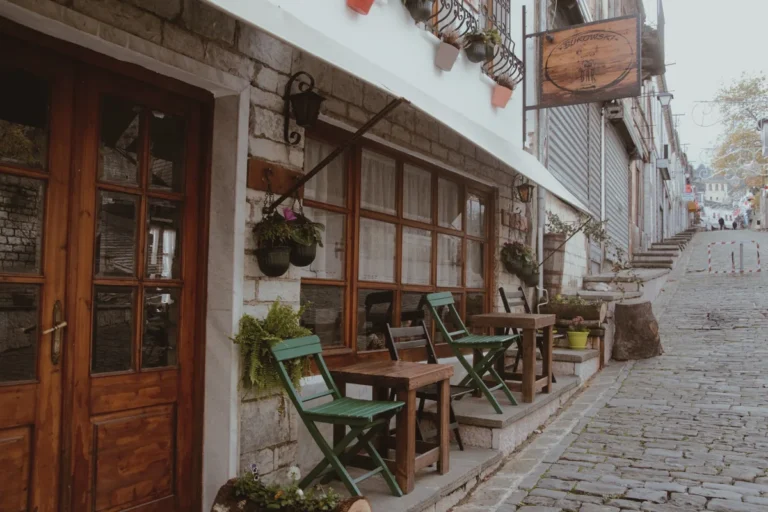
Coffee is social glue here, not a quick caffeine hit. A coffee invitation means sit, talk and linger, sometimes for an hour or more. We dig into this ritual in Albanian coffee culture. Time generally runs more relaxed than in northern Europe, so build in flexibility.
In the early evening, especially in smaller towns, the whole community comes out for the xhiro, a slow walk up and down the main street to see and be seen. Joining in is one of the nicest ways to feel part of local life.
Small things that matter
- Removing shoes: common when entering homes. Follow your host’s lead, and slippers are often offered.
- Elders: treated with visible respect; let them be served first and offered the best seat.
- Tipping: not heavily expected. Rounding up the bill or leaving around 10 percent for good restaurant service is generous.
- Politics and the 1990s: fine to discuss, but listen more than you lecture, and be sensitive about the communist period, which touches many families.
- Kosovo: Albanians feel a strong bond with Kosovo; treat it with respect.
- Photos: ask before photographing people, especially older people in rural areas.
What not to do
- Do not refuse all hospitality outright, it can read as rejection.
- Do not insist aggressively on paying when you are a guest.
- Do not assume the head shake means no.
- Do not be loud or dismissive about religion; the relaxed attitude is a source of pride, not indifference.
Frequently asked questions
Do Albanians really shake their head for yes?
In some situations, yes. A side-to-side head movement can mean yes and a slight upward nod can mean no, the reverse of many countries. It is not universal, so listen for the words po (yes) and jo (no).
Is it rude to refuse food or drink in Albania?
Flatly refusing can seem cold, because hospitality is taken seriously. Accepting at least a small amount is the polite response, even if you do not finish it.
How should I dress in Albania?
Relaxed on the coast and in cities, a little more modest in inland towns and villages, and covered shoulders and knees at religious sites.
Do you tip in Albania?
Tipping is appreciated but not heavily expected. Rounding up or leaving around 10 percent for good restaurant service is generous.
This is part of the bigger picture in our Albanian culture overview.
Related guides: Albanian dining etiquette, Besa, Albanian coffee culture, Albanian phrases.