Tavë Kosi: The Story of Albania’s National Dish
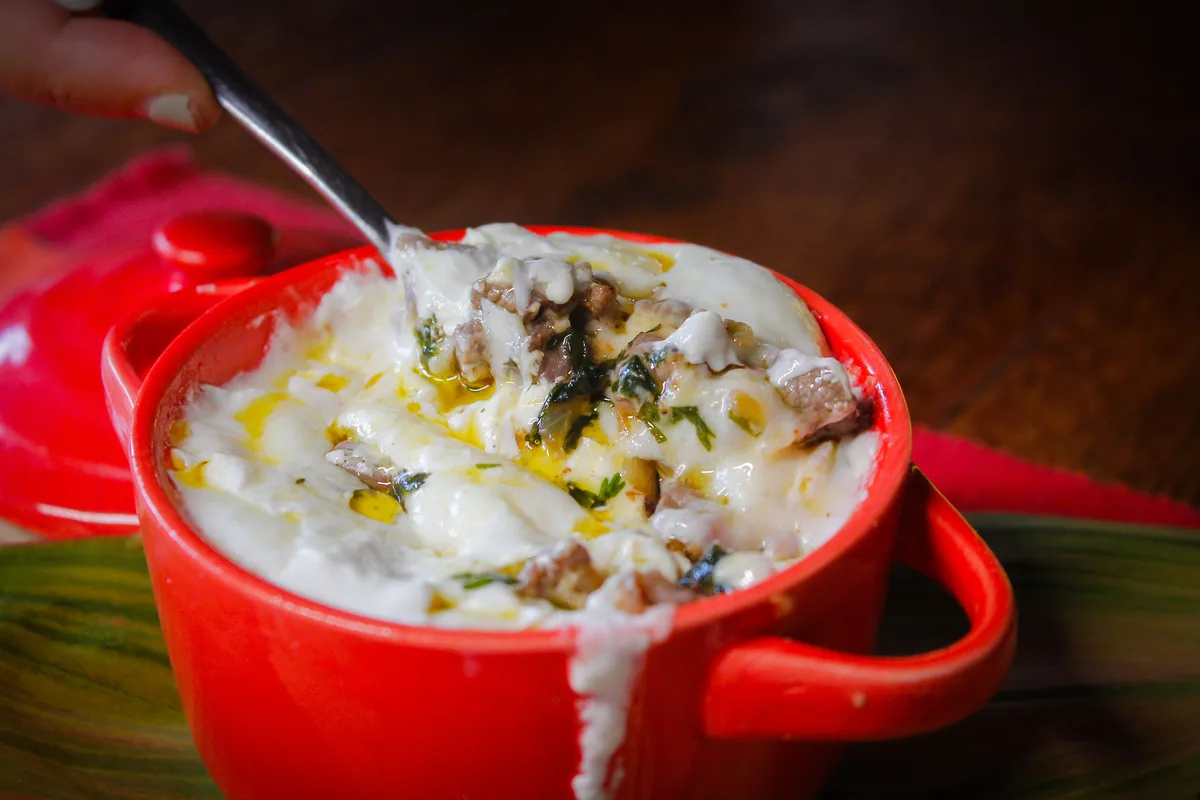
Ask any Albanian what to eat first when you arrive, and there’s a very good chance the answer is tavë kosi — tender pieces of lamb baked beneath a puffed, golden layer of yoghurt and eggs, fragrant with garlic and oregano. It’s comfort food, celebration food and identity food at once, and the dish Albania exported back across the Ottoman Empire that once ruled it. Here’s what it actually is, where to eat the real version, and why the name “Elbasan tava” matters.
The short version – What: baked lamb (often with rice) under a custard-like topping of yoghurt and eggs – From: Elbasan, central Albania — 15th century, Ottoman era – Key ingredients: lamb, kos (yoghurt), eggs, garlic, oregano, butter – Best at: Elbasan itself, or traditional odas in Tirana – Also called: Tavë Elbasani / Elbasan tava
What is tavë kosi?
Tavë means “casserole” and kos means “yoghurt” — so the name simply translates to “yoghurt casserole.” In practice, it’s a layered baked dish:
- Lamb (usually shoulder or leg, cut into chunks), first browned in butter and garlic with oregano.
- Rice (in many regional versions), cooked in the lamb’s broth.
- A topping of yoghurt whisked with eggs, sometimes thickened with a little flour or butter, poured over the meat and baked until the surface puffs up like a soufflé and turns golden.
When you pull it from the oven, the top rises dramatically and then slowly sinks as it cools, releasing a wave of garlic, oregano and lamb aroma that defines Albanian home kitchens. It’s served warm, scooped from the dish, and is the kind of food that improves the next day.
A dish from the Ottoman siege
The most widely told origin story places tavë kosi in Elbasan in 1452, during the Ottoman campaigns against Albania’s national hero Skanderbeg. The legend goes that local cooks were marinating lamb in kos — the tangy soured milk made from sheep’s or goat’s milk that Albanian families had been making for centuries — and rather than discard the spiced yoghurt after marinating, they combined it with the cooked lamb, added eggs, and baked the whole thing together.
The dish that emerged from an Ottoman siege travelled back through the empire to Istanbul, and is to this day known in Turkey as Elbasan tava — named after the Albanian city where it began. Few culinary legacies are quite so direct.
What it actually tastes like
Tavë kosi is built on a kind of magic: simple ingredients transformed by patience into something far greater than the sum of its parts. The lamb is meltingly tender. The yoghurt topping is tangy, creamy and savoury, slightly puffed at the edges, custardy in the middle. Garlic and oregano carry the aroma; a final grating of nutmeg adds depth. The rice (when included) soaks up the lamb juices underneath. It’s hearty without being heavy — the yoghurt cuts through the richness — and somehow simultaneously rustic and refined.
If you’ve had Greek moussaka, you have a rough mental reference point — but instead of béchamel, the topping is yoghurt-and-egg, and the result is tangier and lighter.
Regional variations
Like most Albanian classics, every region (and every grandmother) has its take:
- Elbasan / classic — the most “official” version: lamb, rice, yoghurt-egg custard, garlic, oregano.
- Tirana versions — sometimes lighter on rice and heavier on the yoghurt layer.
- Without rice — leaner, almost soufflé-like.
- With chicken — a modern, lighter substitute popular outside Albania.
- In Turkey (“Elbasan tava”) — often uses béchamel sauce instead of kos, which makes for a milder, less tangy version.
For the broader picture of Albanian dishes, see our traditional Albanian food guide.
Where to eat the real version
In Albania, there are a few rules:
- Look for “Tava e Elbasanit” on the menu — that’s the most authentic naming.
- A good version is generous with the lamb. If your serving is mostly rice with a few bits of meat, you’ve found a tourist-cut version.
- Best at the source: any traditional restaurant in Elbasan will do a serious version, often baked in clay.
- In Tirana: classic odas like Oda and Era are reliable starting points; the modern, farm-to-table Mullixhiu also does an elegant take. (Fuller picks in our Tirana restaurants guide.)
- In family-run guesthouses in any small town, ask if it’s on — it often is, even when not on the menu.
A tip: tavë kosi is often baked to order and takes time. Some restaurants bake batches in advance to portion through the day; the very best versions come straight from the oven, so it’s worth asking if it’s freshly baked.
A simplified version of how it’s made
The traditional preparation, in broad strokes:
- Sear the lamb in butter with garlic and oregano until browned.
- Simmer with water to tenderise (around an hour); reserve broth.
- Cook rice in some of the broth, layered with the meat in a clay or ceramic dish.
- Make the topping: whisk yoghurt with eggs, often thickened by stirring in a little roux (butter + flour) to keep it from splitting.
- Pour over the meat, season with salt, pepper and a touch of nutmeg.
- Bake at ~180°C until the top puffs and turns golden — usually 35–45 minutes.
Total time is two to three hours; the active work is far less. It’s a dish that rewards a slow afternoon.
A few cultural notes
- It is, above all, family food. Tavë kosi is the dish Albanians abroad miss most and the one that defines home kitchens.
- It’s a celebration dish — common at weddings, Sunday lunches and Bajram / Easter meals — but also a regular weekday meal in many households.
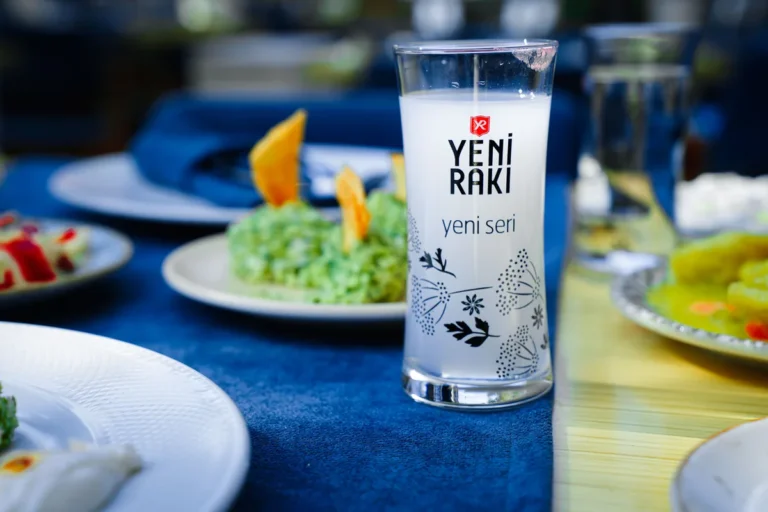
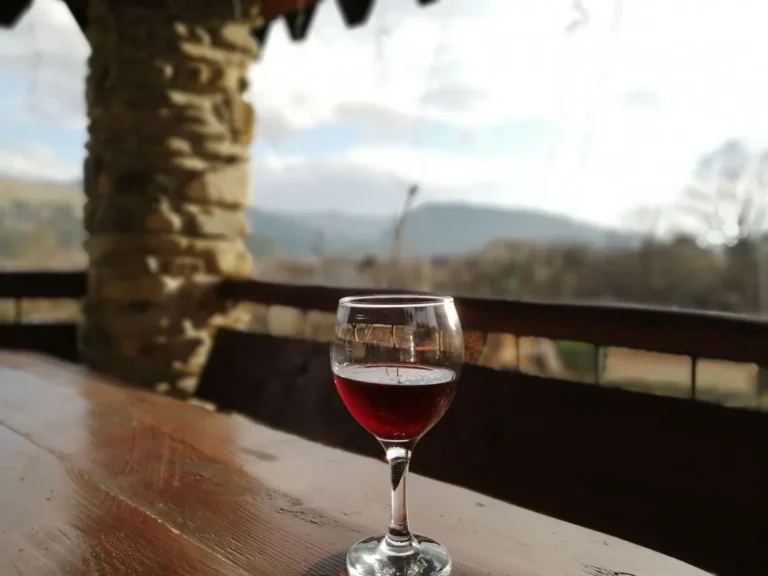
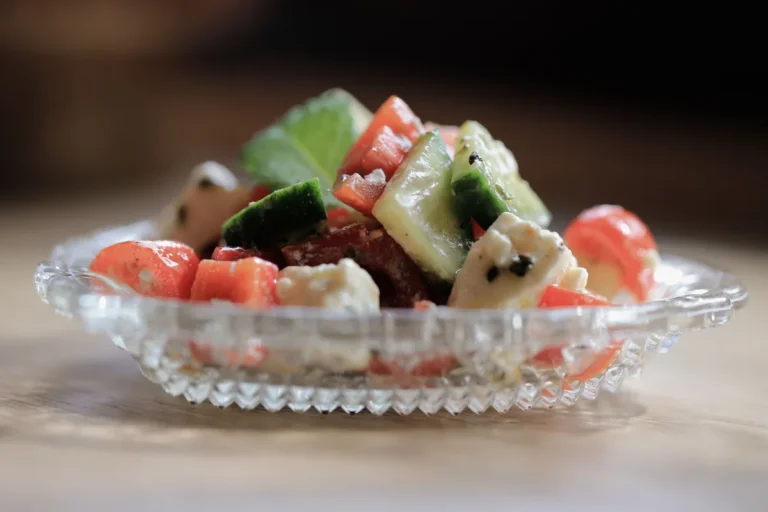
- Pair it with a simple shopska-style salad and a glass of raki before, or a light wine (Albanian wine guide) with the meal.
Frequently asked questions
What is tavë kosi? Tavë kosi is Albania’s national dish: baked lamb (often with rice) topped with a custard-like layer of yoghurt and eggs, seasoned with garlic and oregano, originating in the city of Elbasan.
Why is tavë kosi the national dish of Albania? It’s deeply tied to Albanian identity, originating from Elbasan in the 15th century and travelling back through the Ottoman Empire (where it’s known as Elbasan tava). It’s the dish Albanians abroad miss most.
What does tavë kosi taste like? Tender lamb under a tangy, creamy, slightly puffed yoghurt-and-egg topping, with garlic and oregano. Hearty but lighter than it sounds, because the yoghurt cuts the richness.
Where can I try the best tavë kosi? At its source in Elbasan, or in traditional oda-style restaurants in Tirana such as Oda or Era. Family-run guesthouses across the country often serve excellent versions.
Is tavë kosi the same as Elbasan tava in Turkey? They’re the same dish in name and origin. The Turkish version often uses béchamel sauce instead of kos (soured yoghurt), giving a milder, less tangy result.
Can tavë kosi be made without lamb? Yes — chicken versions are common as a lighter, more accessible alternative, though traditionalists insist on lamb.
Keep exploring
Related guides: Traditional Albanian Food · Albanian Byrek · Best Restaurants in Tirana · Albanian Wine · Albanian Food Guide (hub)