Buying Property in Albania: The Complete 2026 Guide for UK & International Buyers
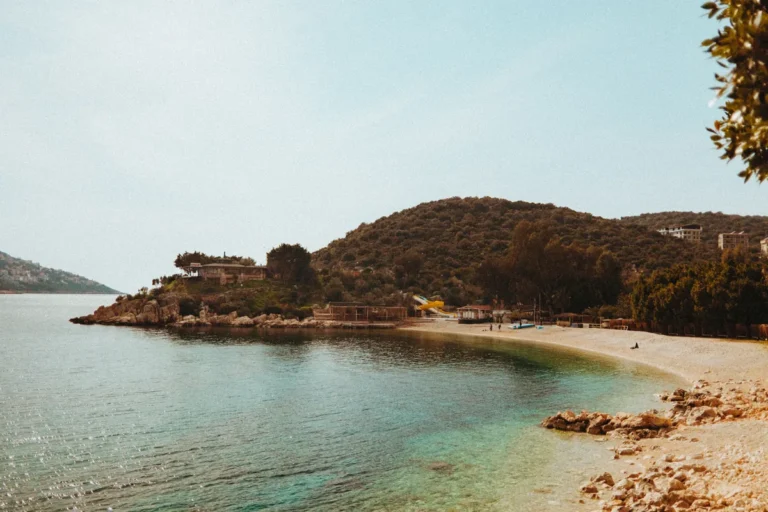
Albania has quietly become one of the Mediterranean’s most talked-about property markets — and for good reason. With more than 450 km of coastline, over 300 days of sunshine a year, and prices still well below neighbouring Greece, Croatia and Italy, it offers something that has almost disappeared from Western Europe: an affordable seaside home with real growth potential.
But “affordable” and “easy” are not the same thing. Buying abroad means new rules, a different legal system, and a handful of traps that catch unprepared buyers. This guide walks you through everything a UK or international buyer needs to know in 2026 — what you can legally own, what it costs, where to buy, the yields you can realistically expect, and the step-by-step process from first viewing to keys in hand.
Quick disclaimer: This guide is for general information only and is not legal, tax or financial advice. Property law and tax rules change, and your personal situation matters. Always engage an independent Albanian lawyer before committing to any purchase.
Can foreigners (and UK citizens) buy property in Albania?
Yes — and with very few restrictions. Foreign individuals can buy residential and commercial property in Albania with essentially the same rights as Albanian citizens. To complete a purchase you generally need only a valid passport and an Albanian tax identification number (NIPT), which can be obtained quickly.
There is one important exception: foreigners cannot directly own agricultural land as private individuals. If you want farmland or certain undeveloped plots, the common route is to register a local Albanian company and hold the land through it. For apartments, houses and most coastal developments, this restriction simply doesn’t apply.
A note for UK buyers specifically: post-Brexit, British citizens face no formal disadvantage compared to EU buyers — the same ownership rules apply to all nationalities. UK passport holders can also enter Albania visa-free for up to 90 days within any 180-day period, which is more than enough for viewing trips and completing a purchase.
Why UK buyers are looking at Albania now
Several trends are converging at once:
- The price gap. Comparable coastal property in Albania still costs a fraction of what you’d pay in Greece, Croatia or southern Italy. As of 2026, average prices sit around €1,200–€1,800 per m² in Tirana and roughly €1,000–€2,000 per m² in prime coastal towns like Saranda — though premium sea-view units run higher.
- Strong rental demand. Albania welcomed roughly 12.5 million visitors in 2025, and tourism now accounts for around a fifth of the economy. That underpins a busy short-term rental market along the coast.
- The EU accession story. Albania is an EU candidate working toward membership around 2030. Many buyers see today’s prices as “pre-accession” pricing.
- Lifestyle. A Mediterranean coastline, a low cost of living, and easy visa-free access make it attractive for holiday homes, rental investments and even relocation or retirement.
A word of balance: this is still an emerging market. Prices have risen fast — in some coastal pockets 20%+ a year — which brings both opportunity and the risk of buying at an inflated price. Liquidity is lower than in mature markets, so reselling can take time. Treat Albania as a medium-to-long-term play, not a quick flip.
Where to buy: the key areas
The right location depends entirely on your goal — rental income, lifestyle, or capital growth.
- Saranda — The Riviera’s main hub, opposite Corfu. Strong rental demand, good amenities, year-round activity. A solid all-rounder for income buyers.
- Ksamil — Postcard beaches and islands just south of Saranda. Premium villas and small apartments aimed squarely at international buyers and holiday rentals.
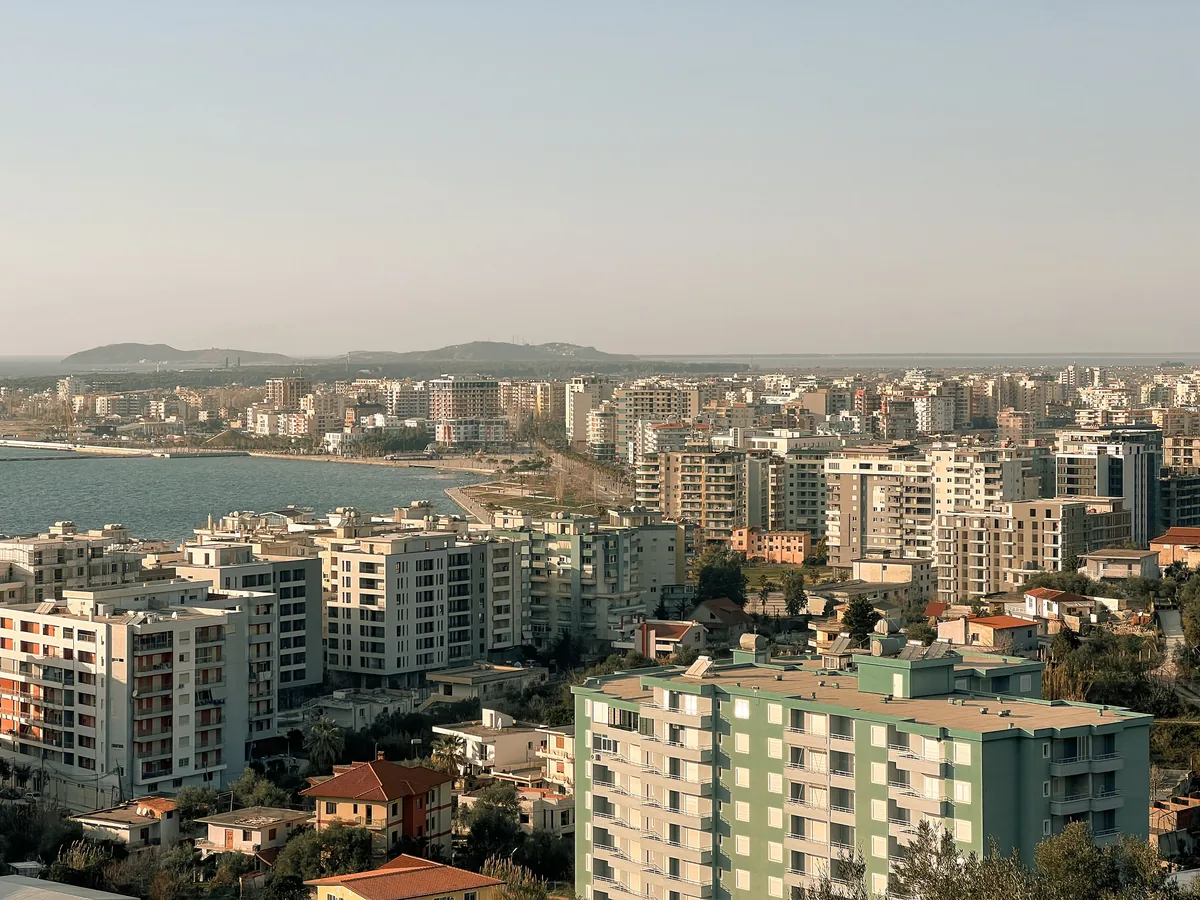
- Vlora — A larger coastal city with a long seafront promenade, growing fast thanks to a new international airport nearby. Good value relative to Saranda.
- Dhërmi & the southern Riviera (Palasa, Jal, Himara) — The most exclusive stretch, home to flagship resort developments and luxury villas. Higher entry prices, premium positioning.
- Lalzit Bay & the Durrës coast — Resort-style living within about an hour of Tirana airport, popular for holiday homes and rentals.
- Tirana — The capital. Less about beaches, more about steady year-round rental demand from professionals, students and expats. Typically more stable, with yields often in the mid-single digits.
(New to these areas? Our destination guides describe what each place is actually like to spend time in.)
What it costs: prices, fees and taxes
Beyond the headline purchase price, budget for transaction costs and ongoing taxes:
- Closing costs: typically 4%–7% of the purchase price all-in.
- Transfer tax: usually in the region of 2%–4%, the largest single component of closing costs.
- Legal & notary fees: plan for a few hundred to a couple of thousand euros depending on complexity.
- Short-term rental income tax: a flat 15% on gross rental income as of 2026. Long-term rentals follow the standard income tax framework (see our taxes for foreigners guide).
- Annual property tax: modest by Western European standards, calculated on property value.
Most foreign buyers purchase with cash via bank transfer. Local mortgages exist (rates roughly 4%–6.5% in 2026) but typically require Albanian residency or verifiable local income, which makes them impractical for most overseas buyers.
Rental yields and ROI: what’s realistic
Coastal short-term rentals can deliver attractive gross yields — often quoted in the 6%–10% range in strong locations like Saranda, Vlora and Dhërmi — but two caveats matter:
- Seasonality. Coastal income is concentrated in summer. Build a realistic occupancy assumption, not a peak-season fantasy.
- Management & costs. Yields are gross. Cleaning, management fees, the 15% rental tax, furnishing and maintenance all eat into the real return.
Tirana offers lower headline yields but more consistent year-round demand and easier resale — a different risk/reward profile worth considering if income stability matters more to you than a sea view.
The buying process, step by step
The process is straightforward and usually takes two to eight weeks from accepted offer to registration:
- Find and reserve. Agree the price and sign a preliminary/reservation agreement, usually with a deposit.
- Due diligence. This is the critical stage. Your lawyer runs a full title search at the State Cadastre Agency (ASHK), verifies building permits and legalisation status, and confirms there are no debts or charges on the property.
- Get your NIPT. Obtain your Albanian tax identification number (your lawyer can assist).
- Sign the notary deed. The final sale contract is signed before a public notary. If you can’t attend in person, a power of attorney lets your lawyer sign on your behalf.
- Register ownership. The transfer is registered with the Cadastre, and ownership is officially yours.
Risks and pitfalls to avoid
The buyers who get burned almost always skip due diligence. Watch for:
- Unlegalised or informal construction. A meaningful share of older Albanian buildings have permit or legalisation issues. Never buy without confirming clean title and valid permits.
- Off-plan developer risk. Buying off-plan can mean better prices, but vet the developer’s track record and delivery history carefully.
- Overpriced resort units. Some coastal developments are priced for foreigners, not for the local market. Compare per-m² prices against genuine comparables.
- The agricultural-land trap. Don’t agree to buy land you can’t legally own as an individual — confirm zoning first.
- Using the seller’s lawyer. Always instruct your own independent lawyer. It’s the single best money you’ll spend.
Residency and living in Albania
Buying property does not automatically grant residency or citizenship. However, owning property (generally over 20 m²) can support a residence permit application under Albania’s foreigners law (Law No. 79/2021). For many buyers, the 90-day visa-free allowance already covers holiday-home use comfortably. If you’re thinking of moving rather than just buying, see our living in Albania guide and the retiring in Albania route.
Frequently asked questions
Can UK citizens buy property in Albania after Brexit? Yes. UK buyers have the same property rights as any other foreign national. There’s no Brexit-related disadvantage for buying residential property.
Do I need to live in Albania or have residency to buy? No. You can buy as a non-resident. You’ll need a passport and an Albanian tax number (NIPT), but not residency.
How much are the total costs on top of the purchase price? Budget roughly 4%–7% of the price for transfer tax, notary and legal fees combined.
Can foreigners get a mortgage in Albania? Local mortgages exist but usually require residency or local income, so most foreign buyers pay cash.
Is it safe to buy property in Albania? The cadastre is digitised and ownership is legally protected — but only if you do proper due diligence. A clean title search and an independent lawyer are essential.
What rental income can I expect? Gross yields of around 6%–10% are achievable in strong coastal locations, but factor in seasonality, management costs and the 15% rental income tax.
Ready to take the next step?
Buying in a new country is far less daunting with the right people on your side. Get in touch with our team for a no-obligation conversation about your goals, a shortlist of properties that fit your budget, and trusted independent legal contacts to keep your purchase safe.
Related guides: Living in Albania · Albania Residence Permit · Cost of Living · Best Places to Live · Taxes for Foreigners · Saranda · Ksamil