Gjirokastër, Albania: A Travel Guide to the City of Stone
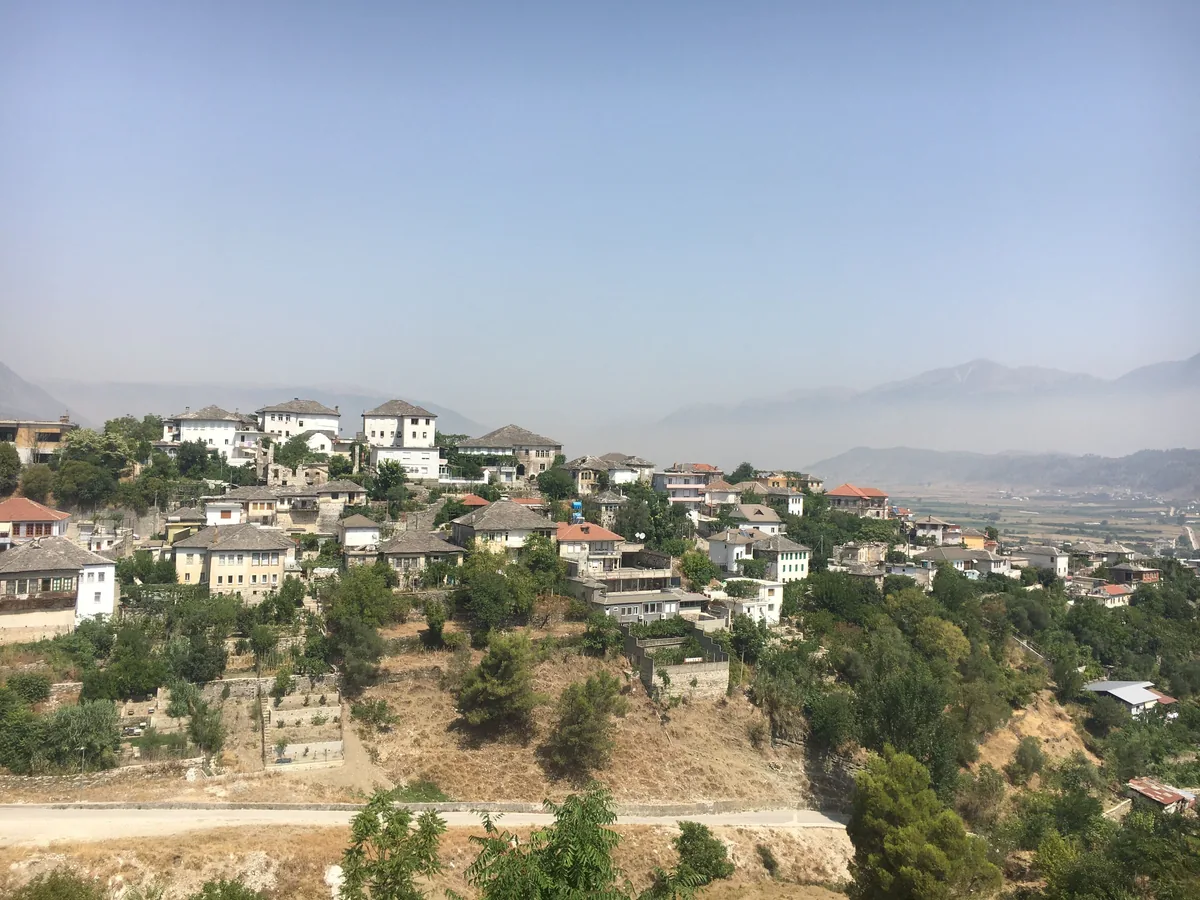
Tumbling down a mountainside in a cascade of grey slate roofs, Gjirokastër is one of Albania’s most atmospheric towns — a UNESCO-listed “City of Stone” where Ottoman mansions, a vast hilltop fortress and cobbled bazaar streets sit layered over a turbulent modern history. Many travellers blast past it on the way to the coast; those who stop are rewarded with one of the most rewarding stops in southern Albania. Here’s what to see, how long to stay, and how to get there.
Quick facts
– What: UNESCO World Heritage town in southern Albania (Drino Valley)
– Nickname: the “City of Stone” / “Stone City”
– From Saranda: about a 1.5-hour drive
– How long: 1 day for the highlights, 1.5–2 days to see everything
– Best time: spring and autumn for mild weather and fewer crowds
Why visit Gjirokastër
Inscribed by UNESCO in 2005, Gjirokastër is celebrated for its remarkably preserved Ottoman architecture — fortified stone houses with grey slate roofs clinging to the slopes of the Gjerë Mountains. Walking its steep cobbled lanes feels like stepping into a living museum, but one that’s still very much alive with cafés, artisan workshops and everyday local life.
It’s also a town heavy with history: this is the birthplace of the internationally acclaimed writer Ismail Kadare and of Enver Hoxha, Albania’s communist dictator for some four decades. That mix of Ottoman heritage and Cold War legacy gives Gjirokastër a depth few towns its size can match.
Top things to do
Gjirokastër Castle. The town’s centrepiece and unmissable highlight — one of the largest fortresses in the Balkans, crowning the hill with sweeping views over the Drino Valley. Inside you’ll find a clock tower, a military museum with old artillery and tanks, an armoury and prison, underground passages, and a famous US reconnaissance plane from the Cold War. Allow a couple of hours.
The Old Bazaar. The heart of the old town, where cobbled streets meet under stone arches. It’s the place to browse carpets, ceramics and crafts, sip coffee, and simply wander.
Traditional Ottoman houses. Step inside one of the grand fortified merchant homes to see how Gjirokastër’s wealthy families lived. The Skenduli House and Zekate House are the two best-known, with beautifully preserved interiors and carved woodwork.
The Cold War Tunnel. A vast underground bunker built under communism, now open as an eerie, fascinating museum into Albania’s isolationist past.
Viewpoints and the Obelisk. Climb to the Gjirokastër Obelisk for soft morning light over the slate rooftops — one of the best photo spots in town.
Ali Pasha Bridge. A short hike out of town leads to this old aqueduct bridge, a pleasant way to stretch your legs and earn a view.
Nearby: Gjirokastër pairs naturally with the Blue Eye spring (about 50 minutes away) and, for history lovers, the ancient ruins of Antigonea in the valley.
How long should you stay?
You can hit the main highlights — the castle, a traditional house and the Old Bazaar — comfortably in one full day, which is what many road-trippers and day-trippers from Saranda do. To add the Cold War Tunnel, more houses and a slower pace, give it 1.5 to 2 days. The town is small and almost everything is within walking distance, though the streets are steep, so wear comfortable shoes.
How to get there
Gjirokastër sits on the main road through southern Albania, which makes it an easy stop:
- From Saranda / Ksamil: about a 1.5-hour drive on good roads — a popular day trip or road-trip stop.
- From Tirana: buses run regularly; it’s a longer journey of several hours.
- As a road-trip stop: it slots neatly between the coast and inland Albania, and is an easy add-on to a visit to the Blue Eye.
Renting a car gives you the most flexibility for combining Gjirokastër with nearby sights, but buses and organised day tours are both viable if you’d rather not drive.
Best time to visit
The most pleasant seasons are spring (roughly March–May) and autumn (September–November), when temperatures are mild and the crowds thinner — ideal for climbing the castle and walking the cobbled streets. Summer is busy and can be hot, so start early and take a midday break in the shade.
Where to eat and stay
Gjirokastër has a good range of traditional restaurants serving regional southern Albanian cooking, plus plenty of cafés in and around the bazaar. For accommodation, some of the most memorable options are restored stone houses and small hillside hotels with valley views — staying overnight lets you enjoy the town once the day-trippers have left.
Frequently asked questions
Is Gjirokastër worth visiting?
Yes. It’s one of Albania’s most culturally rich towns, with a UNESCO-listed old quarter, a major fortress, Ottoman houses and a peaceful, authentic atmosphere.
How long do you need in Gjirokastër?
One full day covers the highlights; 1.5 to 2 days lets you see everything at a relaxed pace.
How do you get to Gjirokastër from Saranda?
It’s about a 1.5-hour drive. Buses and organised day tours also connect the two.
What is Gjirokastër famous for?
Its preserved Ottoman “stone city” architecture, its hilltop castle, and as the birthplace of writer Ismail Kadare and communist leader Enver Hoxha.
Can you visit Gjirokastër and the Blue Eye together?
Yes — the Blue Eye is about 50 minutes away and the two are commonly combined on a southern Albania road trip.
When is the best time to visit Gjirokastër?
Spring and autumn offer the best balance of mild weather and fewer crowds.
Planning the rest of your trip?
Gjirokastër pairs perfectly with the sights nearby. Read our guide to the Blue Eye, or plan the coast with our Saranda guide — and see the full list in the best places to visit in Albania.
Related guides: The Blue Eye (Syri i Kaltër) · Saranda Travel Guide · Best Time to Visit Albania · Best Places to Visit in Albania