The Albanian Flag and National Symbols
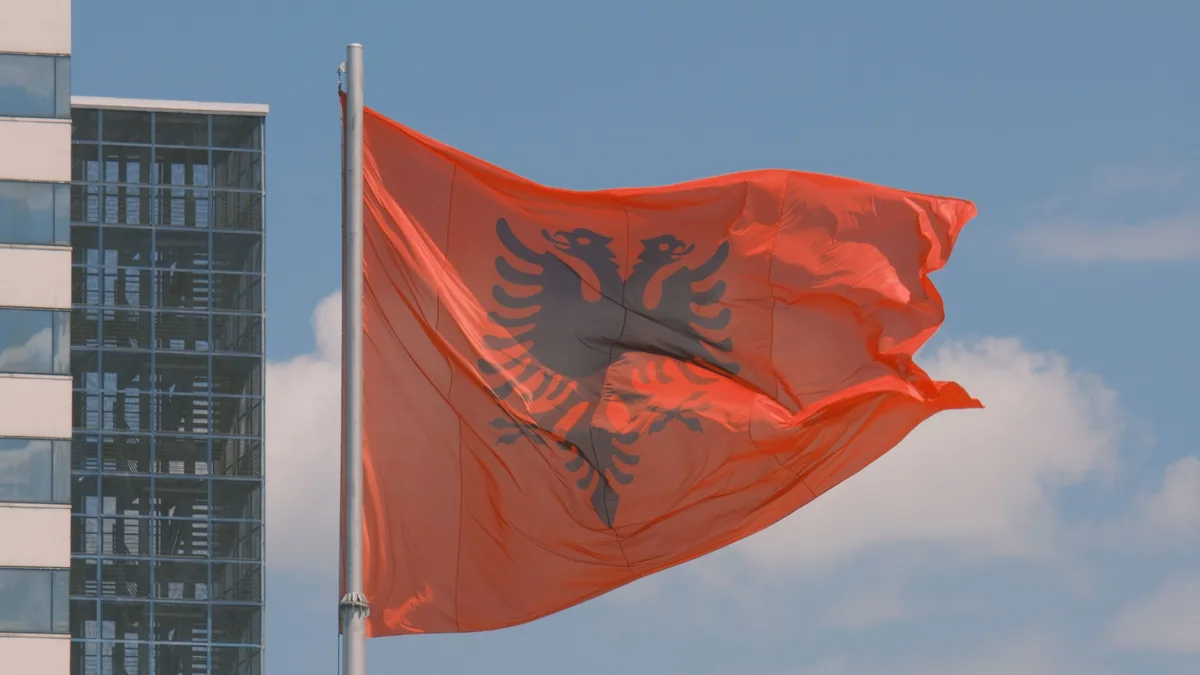
Quick facts: The Albanian flag is a red field with a black double-headed eagle at its centre, one of the oldest national symbols in Europe. The eagle traces back to the seal of the national hero Skanderbeg. The modern flag was raised at independence in 1912; the current version, without a star, dates from 1992. Albanians call themselves the “sons of the eagle.”
Spend a single day in Albania and the red flag with its black eagle will be burned into your memory. It hangs from balconies, flies over castles, and appears on everything from football shirts to car windows. After almost four years here I can say that few national symbols are worn with this much open pride. This guide explains what the flag and Albania’s other symbols mean, and how they connect to the country’s history and to Skanderbeg.
The flag and the double-headed eagle
The design is striking in its simplicity: a deep red background with a black, two-headed eagle, wings spread, looking both left and right.
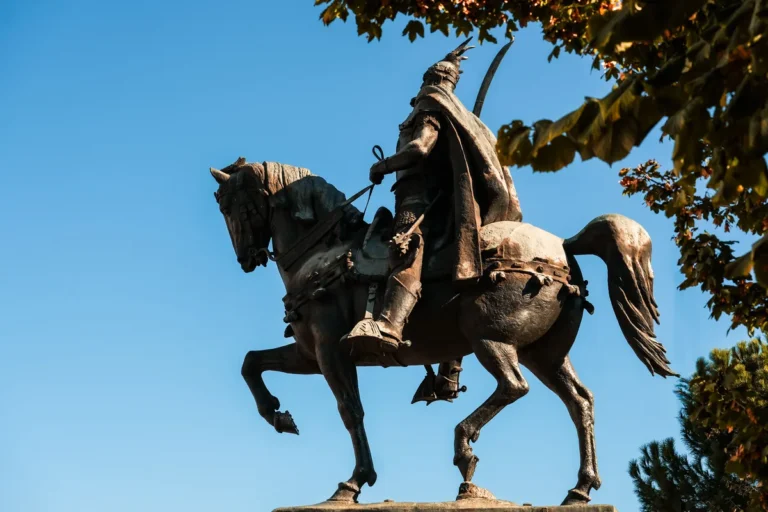
- The double-headed eagle is an ancient symbol, used in the Byzantine world and adopted by various noble houses. In Albania it is most strongly associated with the seal and banner of Skanderbeg, who raised it when he declared resistance to the Ottomans in the fifteenth century.
- The red field is usually read as the blood and courage of those who fought for the nation.
- The two heads are often interpreted as watchfulness, looking east and west, guarding the land in both directions.
Albanians refer to their country as Shqipëria and themselves as shqiptarë, words popularly linked to shqiponjë, the eagle, hence the affectionate idea of Albanians as the “sons of the eagle.”
A flag with a long memory
What makes the flag special is its continuity. The eagle banner was carried by Skanderbeg in the 1400s, raised again by Ismail Qemali at the declaration of independence in Vlorë on 28 November 1912, and has remained the heart of the flag through every change of regime since. During the communist period a red star was added above the eagle; when communism fell, the star was removed, giving the clean design used since 1992.
That date in 1912 is why 28 November is celebrated as Independence and Flag Day, the most important national holiday, covered in our guide to public holidays in Albania.
Other national symbols
A few more symbols round out the national imagery:
- The national anthem, Himni i Flamurit, “Hymn to the Flag,” whose very title shows how central the flag is to Albanian identity.
- Skanderbeg’s helmet, topped with a goat’s head, an instantly recognisable emblem displayed in the National History Museum in Tirana.
- The eagle gesture, made by interlocking the thumbs and spreading the hands like wings, a gesture of national pride you will see at concerts, weddings and matches.
Seeing the symbols on a trip
The flag and its story are easy to encounter:
- Skanderbeg Square and the National History Museum, Tirana: the museum’s huge mosaic facade and its Skanderbeg artefacts are the best single stop.
- Krujë: Skanderbeg’s town, where the eagle banner story began, covered in our Skanderbeg guide.
Frequently asked questions
What does the Albanian flag mean?
It shows a black double-headed eagle on a red field. The eagle comes from the seal of the national hero Skanderbeg, the red represents courage and sacrifice, and the two heads suggest watchfulness in both directions.
Why is there an eagle on the Albanian flag?
The double-headed eagle is an ancient symbol associated in Albania with Skanderbeg, who raised it against the Ottomans. Albanians call themselves “sons of the eagle,” linked to the word for eagle, shqiponjë.
How old is the Albanian flag?
The eagle banner dates back to the fifteenth century. The modern national flag was raised at independence in 1912, and the current starless version has been used since 1992.
What do Albanians call their country?
Shqipëria, with people called shqiptarë, popularly connected to shqiponjë, the eagle.
The flag’s story is really Skanderbeg’s story. Read more about Albania’s national hero.
Related guides: Skanderbeg, Albanian culture, Public holidays in Albania.