History of Albania: A Timeline from Illyria to Today
Quick facts: Albanians descend from the ancient Illyrians. The land passed through Roman, Byzantine and Venetian hands before nearly five centuries of Ottoman rule. Independence came on 28 November 1912. A communist dictatorship sealed the country off from 1944 until the early 1990s. Albania is now a NATO member and an EU candidate.
History is not background noise in Albania, it is the air people breathe. After almost four years here I have learned that almost any conversation, about politics, religion, even why a road is the way it is, eventually reaches back to one of a few turning points. This is the overview. For the two periods that shape modern Albania most, follow the links to our dedicated guides on Skanderbeg and on communism in Albania.
Illyrian roots
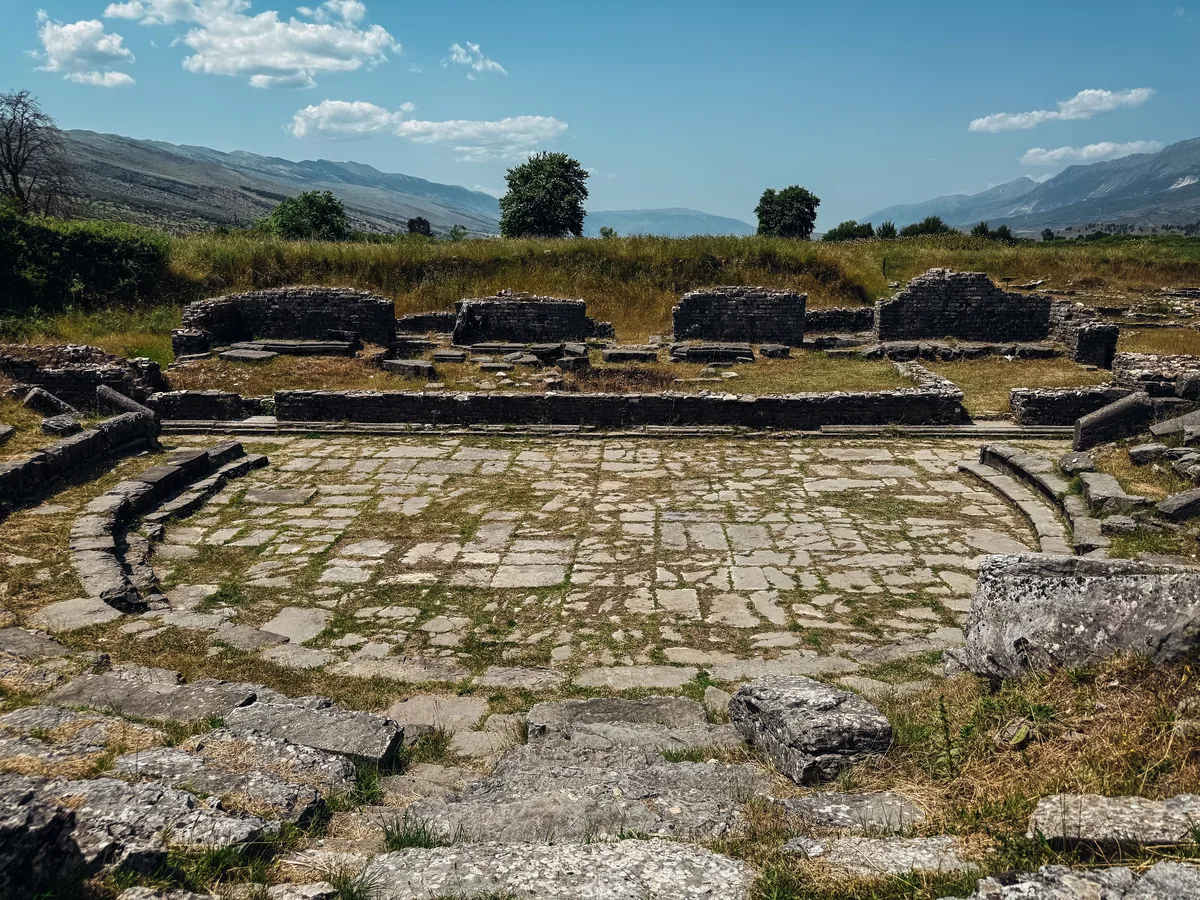
The Albanian story begins with the Illyrians, tribes who lived across the western Balkans long before Rome. Ancient cities like Butrint and Apollonia, whose ruins you can still walk through, grew at the meeting point of Illyrian, Greek and later Roman worlds. Albanians see this deep continuity, and the survival of their language, as central to who they are.
Rome and Byzantium
The Romans absorbed the region by the second century BC, and the great road known as the Via Egnatia ran from the Adriatic coast at Durrës inland toward Constantinople. When the empire split, these lands fell under the Eastern, Byzantine half. Centuries of Byzantine rule, with periods of Bulgarian, Norman, Venetian and Serbian control over different areas, left a patchwork of Orthodox churches, fortresses and shifting borders.
The Ottoman centuries
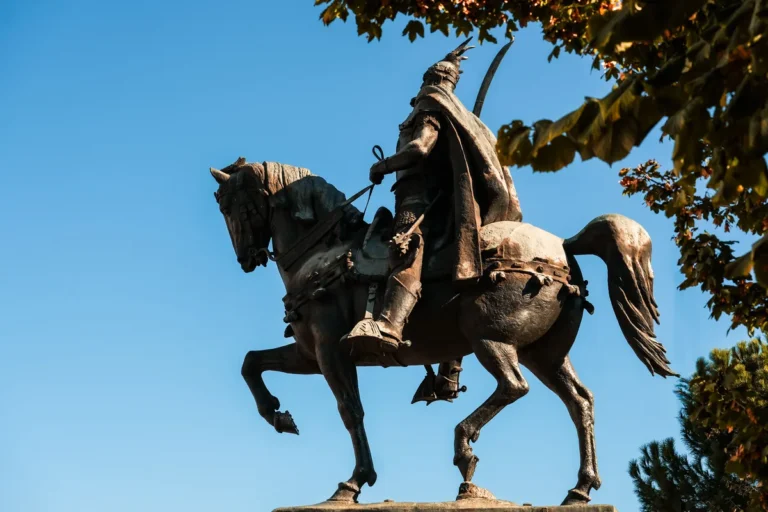
By the fifteenth century the Ottoman Empire was pushing into the Balkans. This is when Albania’s national hero emerges: Gjergj Kastrioti, known as Skanderbeg, who from his fortress at Krujë led resistance against the Ottomans for around 25 years until his death in 1468. Within a few decades of his death, Albania fell fully under Ottoman control, and it stayed there for nearly five centuries.
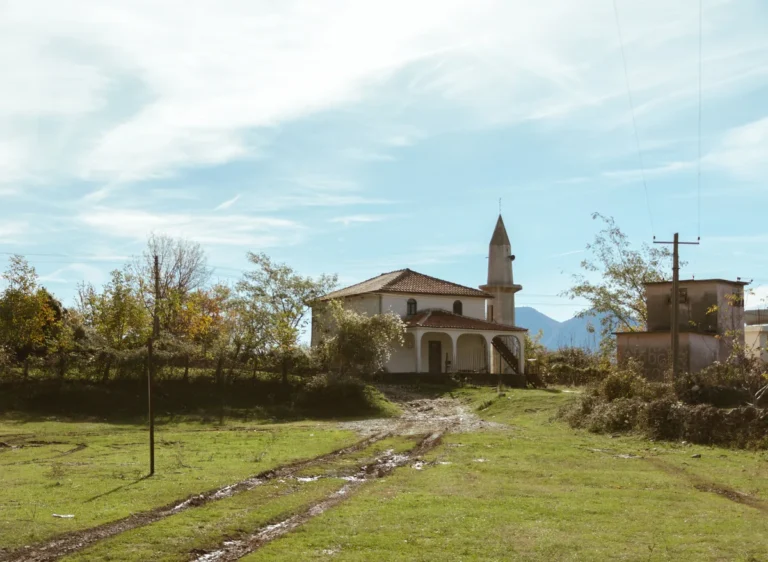
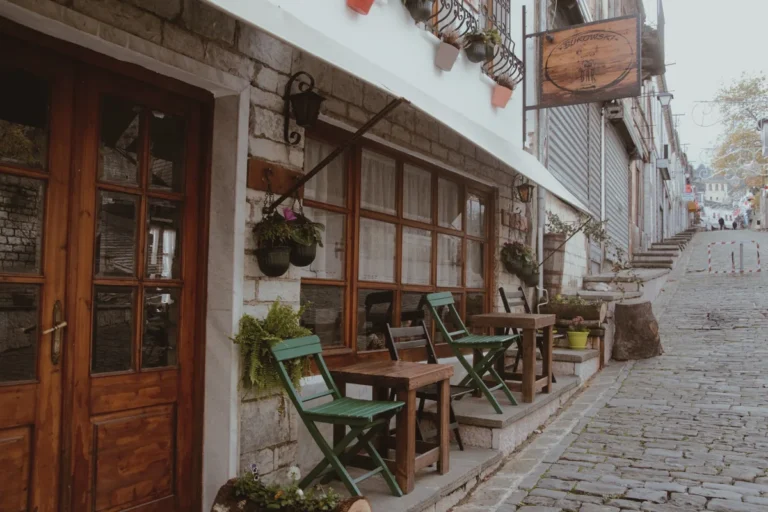
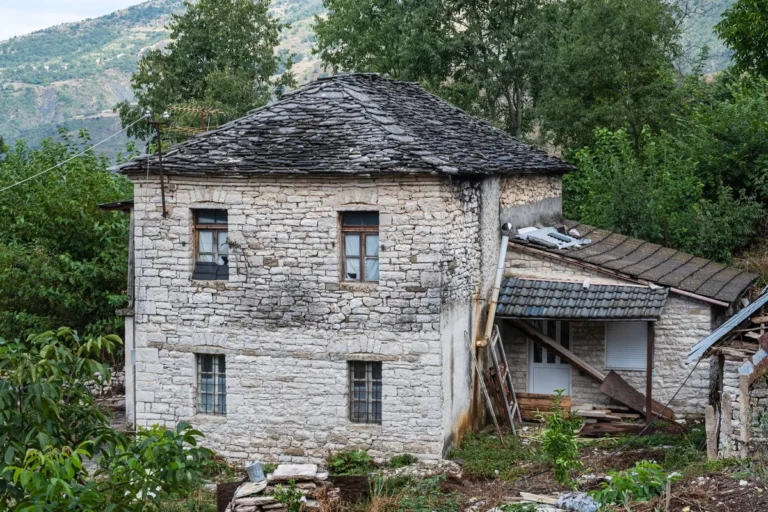
Ottoman rule reshaped the country. Many Albanians converted to Islam, towns like Berat and Gjirokastër took on the Ottoman character you still see in their old quarters, and Albanians rose to high office across the empire. It is impossible to understand modern Albania’s religious make-up without this period.
The birth of a nation, 1912
National feeling sharpened in the late nineteenth century with the League of Prizren, which pushed for Albanian autonomy and the right to schooling in Albanian. As the Ottoman Empire collapsed in the Balkan Wars, Ismail Qemali declared Albania independent in Vlorë on 28 November 1912, the date still celebrated as Flag Day.
The new state was fragile. Its borders, drawn by the great powers, left roughly half of all ethnic Albanians outside the country, a fact that still shapes regional politics today. The interwar years brought a short monarchy under King Zog before Italian and then German occupation during the Second World War.
The communist era, 1944 to 1991
Out of the wartime resistance came the communist partisans led by Enver Hoxha, who took power in 1944 and held it until his death in 1985. What followed was one of the most isolated regimes in the world. Hoxha broke with Yugoslavia, then the Soviet Union, then finally China, leaving Albania almost completely cut off.
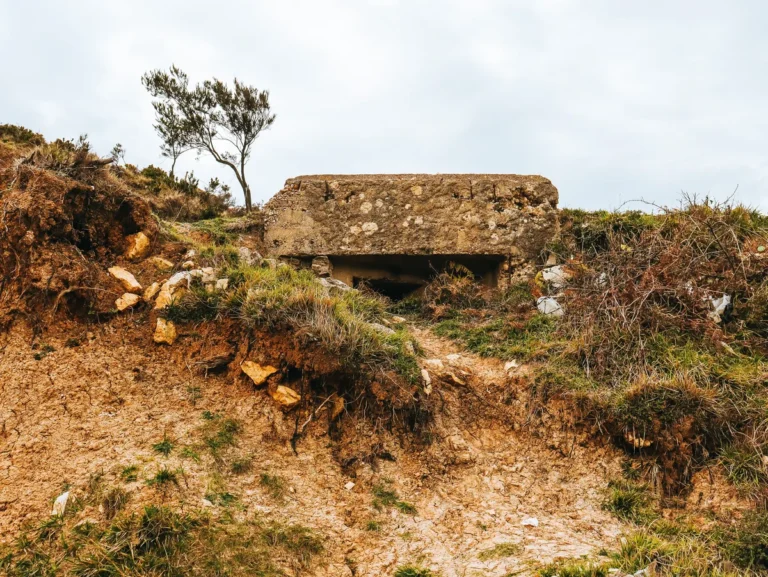
The regime banned religion outright in 1967, declaring the world’s first officially atheist state, and dotted the entire country with concrete bunkers against an invasion that never came. Borders were effectively closed; owning a private car or leaving the country was nearly impossible for ordinary people. This isolation is the single biggest reason Albania felt “undiscovered” when it finally opened. The full story is in our guide to communism in Albania.
Transition and today
Communism collapsed in 1990 to 1991, and the transition was rough. A wave of emigration, mostly to Greece and Italy, reshaped families across the country. In 1997 the collapse of fraudulent pyramid investment schemes pushed Albania into near-anarchy before order was restored.
Since then the trajectory has been steadily upward. Albania joined NATO in 2009, became an official EU membership candidate, and has seen tourism boom, with millions of visitors a year drawn to the coast and mountains. The country you visit now is young, fast-changing and far more open than its recent past suggests.
Why this history still shows
You feel the past in concrete ways. The bunkers are the obvious one. But it is also there in the religious tolerance born of shared survival, in the strong pull of family and the diaspora, in the Ottoman old towns that are now UNESCO sites, and in a certain pride that a small nation held on to its language and identity through all of it.
Frequently asked questions
Who were the original people of Albania?
The Illyrians, ancient Balkan tribes whose presence predates Rome. Albanians regard themselves as their descendants, and the survival of the Albanian language supports that long continuity.
When did Albania become independent?
Albania declared independence from the Ottoman Empire on 28 November 1912 in Vlorë, under Ismail Qemali. The date is celebrated as Independence and Flag Day.
How long was Albania communist?
From 1944 until 1990 to 1991, under a dictatorship led by Enver Hoxha until his death in 1985. It was one of the most isolated regimes in the world.
Is Albania in the EU?
Albania is an official candidate for European Union membership and a NATO member since 2009, but it is not yet an EU member state.
Want to see this history in the landscape? Our destination guides cover the Ottoman towns and ancient sites where it comes alive.
Related guides: Skanderbeg, Communism in Albania, Albanian culture.