Albanian Wine: A Beginner’s Guide to the Balkans’ Underrated Wine Country
Albania makes wine — has done for 3,000-plus years — and you’ve almost certainly never tasted it. The country sits on one of the oldest viticultural traditions in Europe, has a treasure of indigenous grape varieties you won’t find anywhere else, and a small but growing set of serious producers who deserve far more attention than they get. If you like discovering wine countries before everyone else does, Albania is a quiet thrill. Here’s the lay of the land.
Quick answer – What to try first: Shesh i Zi (the flagship red) and Kallmet (the lighter, aromatic red) – Whites worth knowing: Shesh i Bardhë, Pulës, Debinë e Bardhë – Where to taste: Berat is the easiest day trip; Korçë, Shkodër and Tirana–Durrës are the other hubs – Top wineries: Çobo, Nurellari, Kokomani, Kantina Arbëri, Uka Farm – Restaurant price: house wine €5–8/bottle; premium €25–55
Why Albanian wine matters
Two reasons make it interesting beyond curiosity:
- It’s old. Wine-making here dates to at least the Bronze Age, with significant production under the Romans and Byzantines. Ottoman rule slowed things down (Islamic prohibition); communism nationalised the wineries; only since the 1990s has private, quality-focused production really restarted.
- The grapes are unique. Albania has a whole bench of indigenous and regional grape varieties found almost nowhere else — Shesh, Kallmet, Vlosh, Pulës, Serinë, Debinë and more. In a world where almost every wine country grows the same dozen international varieties, this is a rare thing.
A small but real industry — DOC-style appellations, agritourism, awards, even a few exports — is now backing it up. The wines aren’t always polished by international standards, but the best are seriously good and shockingly cheap.
The grape varieties worth knowing
If you’ve never tried any Albanian wine, start with these:
Reds
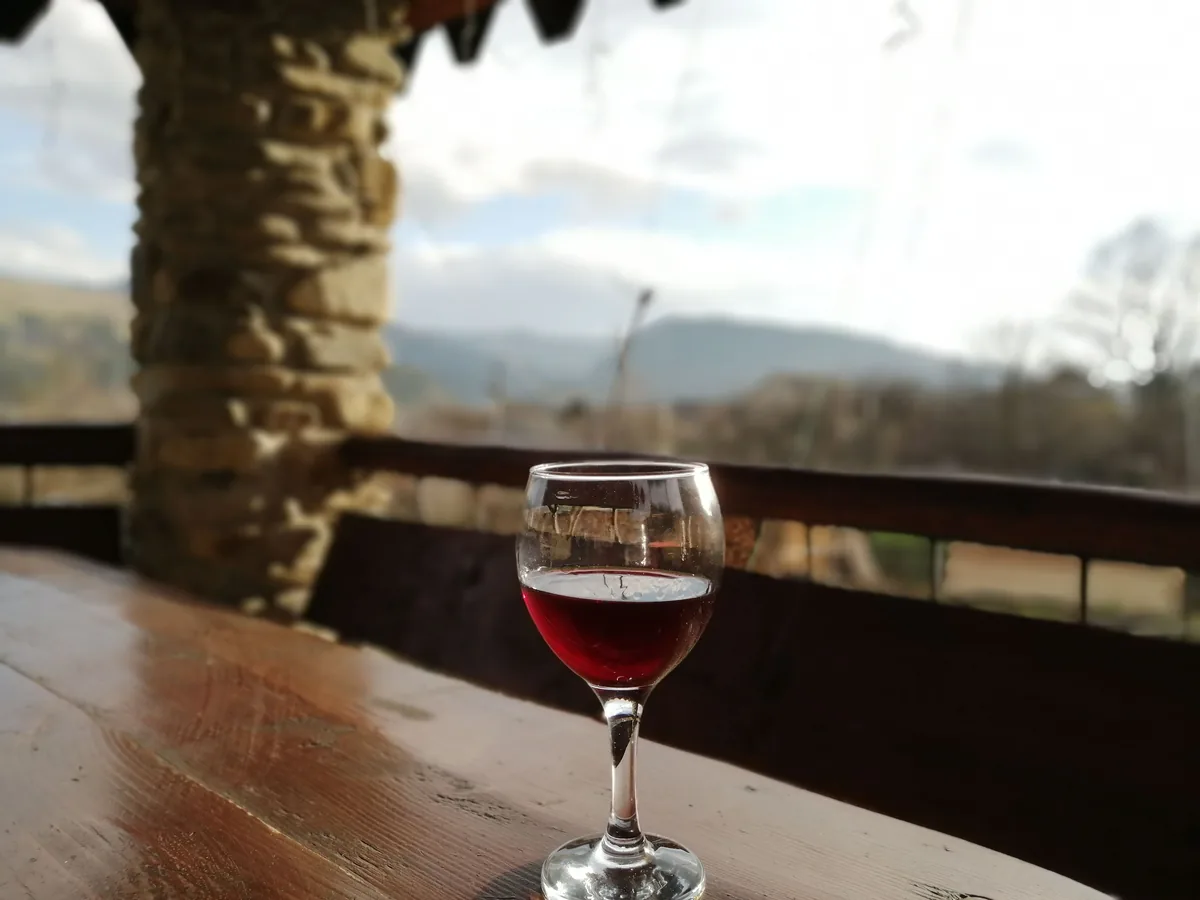
Shesh i Zi (lit. “flat black”) — Albania’s flagship red and the variety you’ll see most often on restaurant wine lists. Medium-bodied, dark cherry and dried herbs, slightly earthy, with restrained tannins. The best examples (from Çobo and Nurellari) have real structure and age decently for two to four years.
Kallmet — Grown mainly around Shkodër in the north. Lighter, more aromatic reds with red fruit and floral notes — think of it as Albania’s answer to Pinot Noir: higher acidity, more finesse than power. (Known elsewhere as Kadarka.)
Vlosh — A rare grape native to the Vlorë region on the coast. Deeply coloured, robust reds with a characteristic bitterness, lively acidity and flavours of wild berries and Mediterranean herbs. Also makes a beautiful onion-skin rosé.
Serinë — Found in the south, particularly around Berat. Less common but worth trying when you see it.
Vranac — Shared with Montenegro and the wider region; deep, structured reds.
Whites
Shesh i Bardhë (white Shesh) — The white sibling of the flagship red; light, crisp, food-friendly.
Pulës (or Puls) — A characterful indigenous white grown around Berat. Aromatic, distinctive — one of the more interesting whites to seek out.
Debinë e Bardhë — Another centuries-old white from the southern hills.
The four wine regions
Albanian viticulture splits into four broad zones, each with its own character:
- Coastal plains — warm, Mediterranean; the main growing area for Vlosh around Vlorë, and many international varieties.
- Central hilly regions — Berat, Elbasan, Krujë, Përmet, Gramsh; vineyards at 300–600 m; the heart of Shesh production and the most visited wineries.
- Eastern sub-mountainous regions — Korçë, Pogradec, Peshkopi, Leskovik; cooler, higher (vineyards up to 800 m); whites and lighter reds with good acidity.
- Mountains — the highest vineyards reach 1,000–1,300 m on the slopes of the Albanian Alps; unique flavour profiles, small production.
Wineries worth visiting
For a wine-curious traveller, these are the names to remember. Most welcome visits with prior booking.
Around Berat (the easiest wine day)
- Çobo Winery — family-run, beautifully sited at the base of Mount Tomorr. Often considered Albania’s top producer. Excellent Shesh i Zi; tours and tastings; two seasonal festivals draw crowds. Easy to pair with a Berat visit.
- Nurellari Winery — modern producer in Berat itself; elegant reds combining indigenous and international varieties; rounder, more fruit-forward Shesh than Çobo. Often visited together with Çobo as a day trip.
Around Tirana / Durrës
- Kokomani Winery — between Tirana and Durrës, the most famous home of the Shesh grape (white and red). Three flagship wines: Sheshi i Zi, Sheshi i Bardhë and Shën Mhill.
- Uka Farm — biodynamic, organic, just outside Tirana. Doubles as a farm-to-table restaurant (Tirana restaurants guide). The most enjoyable single-day wine-and-food experience near the capital.
Around Shkodër / Lezhë (north)
- Kantina Arbëri (Rrëshen / Mirditë) — the headline producer for the Kallmet grape. The Kallmet Riserva is the must-taste.
- Kantina Kallmeti — same grape, the namesake village.
Around Korçë (east)
- Korça 2000 and other small Korçë producers — fresher, lighter wines suited to the higher altitude and cooler climate. Korçë is also home to the Birra Korça brewery for those interested in beer.
Coastal / South
- Kantina Balaj (Vlorë) — specialist in the rare Vlosh grape, with sea views.
- DEA Winery (Delvinë) — organic, Kallmet and Vlosh focus.
How to taste & order
In Albanian restaurants:
- House wine (vera e shtëpisë) is usually a fine, low-cost option (€5–8 a bottle in most places) — ask which grape it is.
- Look for the grape names above on the wine list rather than international varieties — that’s the local experience.
- Premium bottles (Çobo Reserve, Kantina Naqe, Nurellari) run roughly €35–55 at restaurants — still a fraction of what equivalent quality costs in Western Europe.
- Pair Shesh i Zi with lamb dishes like tavë kosi, grilled qofte and traditional baked vegetables.
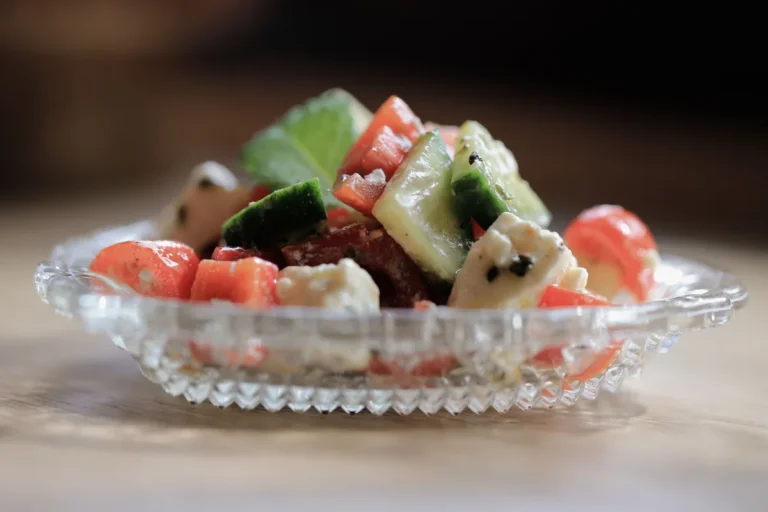
- Pair Kallmet with lighter dishes, salads, fërgesë.
For wider drinks context — raki, coffee, beer — see our raki guide and coffee culture guide.
Wine festivals to know
A few worth planning a trip around:
- Berat Wine Festival — autumn, the country’s biggest, focused on indigenous varieties.
- Shkodër Wine Festival — celebrates the cooler northern wines, especially Kallmet.
- Tirana Wine Festival — broader showcase of Albanian producers.
- Çobo seasonal festivals at the winery near Berat — smaller, very pleasant.
A few honest caveats
- Production is small. Many wineries can’t supply every export market, so the best wines are often only available in Albania.
- Bottles vary year to year. Modern winemaking is young here; consistency is improving but not always there yet.
- Labelling can be inconsistent — appellations and grape names are still being formalised. When in doubt, ask the sommelier or the winery.
Frequently asked questions
Does Albania make wine? Yes — Albania has one of the oldest wine-making traditions in Europe, dating back over 3,000 years, with a small but high-quality modern industry built around indigenous grape varieties.
What are the main Albanian grape varieties? The most important are Shesh i Zi (the flagship red), Kallmet (a lighter, aromatic red from the north), Vlosh (a rare coastal red), Shesh i Bardhë (the flagship white), and Pulës and Debinë e Bardhë (characterful indigenous whites).
Where are the best Albanian wineries? Çobo and Nurellari near Berat are the standout producers. Kokomani (between Tirana and Durrës), Kantina Arbëri (north), Uka Farm (near Tirana) and Balaj (Vlorë) are also excellent.
How much does Albanian wine cost? House wine in restaurants is typically €5–8 a bottle. Premium domestic wines (Çobo Reserve, Nurellari, Kantina Naqe) run roughly €35–55 — a fraction of equivalent quality in Western Europe.
Can I visit Albanian wineries? Yes — most welcome visits with advance booking. The easiest base is Berat, where you can visit Çobo and Nurellari in a single day, ideally paired with a stay in the UNESCO old town.
Is Albanian wine any good? The best examples are genuinely good and improving year on year, with unique flavours from indigenous grapes you won’t find elsewhere. Consistency varies between producers; stick to the names above for a strong introduction.
Keep exploring
Related guides: Albanian Raki · Albanian Coffee Culture · Berat Guide · Traditional Albanian Food · Best Restaurants in Tirana · Albanian Food Guide (hub)