Public Holidays and Festivals in Albania
Quick facts: Albania’s calendar blends pagan, Muslim and Christian holidays, and the whole country observes all of them in the spirit of its religious tolerance. The biggest dates are Summer Day (14 March), Independence and Flag Day (28 November), and the two Eids and Easter, which are public holidays for everyone. Islamic and Orthodox dates shift each year.
One of the small joys of living in Durrës is how many reasons Albania finds to celebrate, and how everyone joins in regardless of background. After almost four years here I have come to love that an Orthodox family will wish Muslim neighbours a happy Eid and be wished a happy Easter in return. This guide runs through the public holidays and the festivals worth planning around. For when to come weather-wise, see our separate guide to the best time to visit Albania.
The public holidays
These are the official non-working days. The fixed-date ones are easy to plan around; the religious ones move each year, so always confirm the exact dates for your travel year.
| Holiday | Date | Notes |
|---|---|---|
| New Year | 1 to 2 January | Big family celebration; many businesses closed |
| Summer Day (Dita e Verës) | 14 March | Ancient spring festival, huge in Elbasan |
| Nowruz / Sultan Nevruz | 22 March | Bektashi spring holiday |
| Catholic Easter | March or April | Movable |
| Orthodox Easter | April or May | Movable, usually different from Catholic |
| May Day | 1 May | Labour Day |
| Eid al-Fitr (Fitër Bajrami) | Movable | End of Ramadan |
| Eid al-Adha (Kurban Bajrami) | Movable | Feast of Sacrifice |
| Mother Teresa Day | 19 October | Honouring the ethnic-Albanian saint |
| Independence Day / Flag Day | 28 November | The national high point |
| Liberation Day | 29 November | End of WWII occupation |
| National Youth Day | 8 December | Marks the 1990 student protests |
| Christmas | 25 December | Observed nationally |
Because so many holidays cluster, a single date can mean banks, government offices and many shops are shut, while cafes and tourist businesses on the coast usually stay open.
The festivals worth timing a trip around
Beyond the official days, a handful of celebrations are genuinely worth building a trip around.
Summer Day, 14 March
Dita e Verës is my favourite. It is a pre-Christian festival welcoming spring, and the city of Elbasan throws the biggest party, with crowds, music and a special sweet bread called ballokume. It is a wonderful, very local experience near the end of winter.
Independence and Flag Day, 28 November
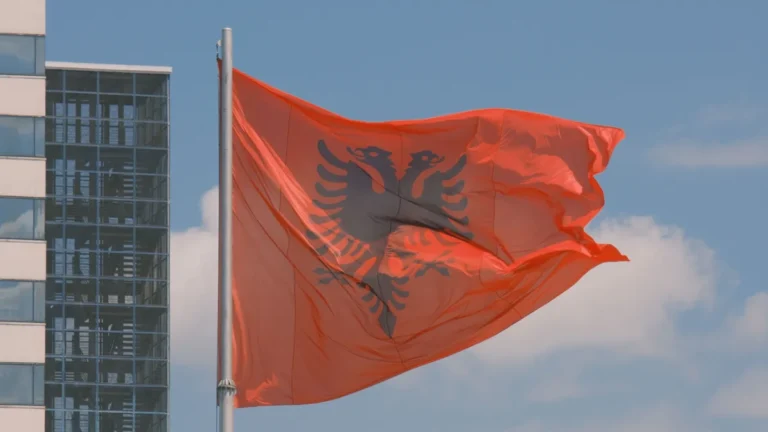
The national holiday, marking the 1912 declaration of independence in Vlorë. Expect flags everywhere, concerts and a real sense of pride, especially in Vlorë and Tirana. It pairs with the meaning of the Albanian flag.
Gjirokastër National Folklore Festival
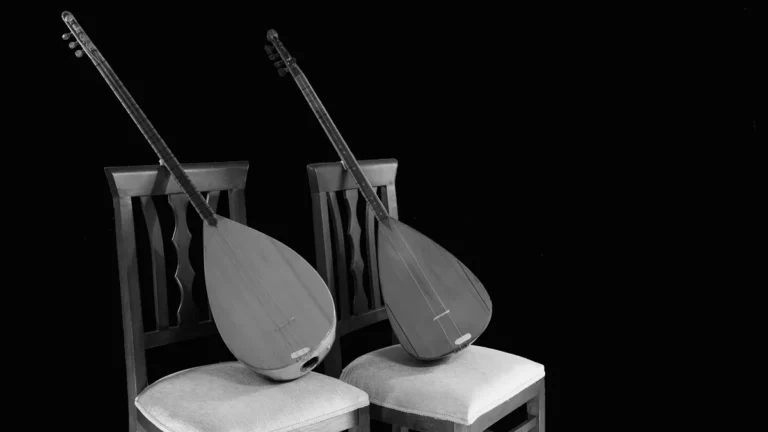
Held periodically in the castle of the UNESCO town of Gjirokastër, this is the flagship showcase of Albanian folk music and dance, including the iso-polyphony covered in our Albanian music guide. If it lands during your trip, do not miss it.
Summer arts and music festivals
The warm months bring a string of contemporary festivals, from beach and electronic events on the coast to film and jazz in the cities. These change year to year, so check what is on for your dates.
A note on Ramadan and Eid
If you visit during Ramadan, daily life in Albania carries on largely as normal, given how relaxed religious practice is here. Some restaurants in more observant areas may adjust hours, and the Eid that follows is a joyful public holiday when families gather and sweets are everywhere. It is a lovely time to be welcomed into the spirit of Albanian hospitality.
Frequently asked questions
What are the main public holidays in Albania?
The biggest are New Year, Summer Day on 14 March, both Eids and both Easters, Mother Teresa Day on 19 October, and Independence and Flag Day on 28 November. Religious dates move each year.
What is Summer Day in Albania?
Dita e Verës, on 14 March, is an ancient festival welcoming spring. It is celebrated nationwide and most famously in Elbasan, with music, crowds and the traditional sweet bread ballokume.
Does Albania celebrate both Muslim and Christian holidays?
Yes. Both Eids and both Catholic and Orthodox Easter are public holidays observed across the country, reflecting Albania’s strong tradition of religious coexistence.
Will things be closed on Albanian holidays?
On major holidays banks, government offices and many shops close, but coastal and tourist businesses generally stay open. Confirm dates for movable religious holidays before you travel.
Trying to pick the right month overall? Combine this with our guide to the best time to visit Albania.
Related guides: Best time to visit Albania, Albanian music and folk traditions, Albanian culture.