Albanian Music, Dance and Folk Traditions
Quick facts: Southern Albania is home to iso-polyphony, a multi-voice folk singing style recognised by UNESCO as Intangible Cultural Heritage. The north has its own epic songs accompanied by the one-stringed lahuta. Traditional circle dances are called valle. The great showcase is the National Folklore Festival in Gjirokastër, and modern Albanian pop and rap now reach a global audience.
The first time I heard Albanian iso-polyphony, at a small gathering in the south, I did not have words for it. Several male voices, no instruments, weaving drones and soaring lines into something that sounded ancient and a little otherworldly. After almost four years here I have learned that Albania’s musical traditions are among its richest and least known cultural treasures. This guide is an introduction, part of our wider look at Albanian culture.
Iso-polyphony: the sound of the south
The jewel of Albanian folk music is iso-polyphony, found mainly among the Lab and Tosk communities of the south, around Gjirokastër, Vlorë and Përmet. It is sung by a small group, usually unaccompanied, and built in layers:
- One or two soloists carry the melody and a countermelody.
- The rest of the group holds a sustained drone, the iso, that gives the style its name.
The result is haunting and deeply communal, often performed at weddings, funerals and feasts. UNESCO recognised Albanian folk iso-polyphony on its list of Intangible Cultural Heritage, and hearing it live is one of the most memorable cultural experiences the country offers.
The northern tradition
The north tells a different musical story. Here the great form is the epic song, long heroic ballads recounting deeds of honour and battle, traditionally sung by a bard accompanying himself on the lahuta, a single-stringed bowed instrument. These epics are cousins to the oral traditions of the wider Balkans and carry the values of the highland Kanun, the same world that gave rise to besa.
Instruments and dance
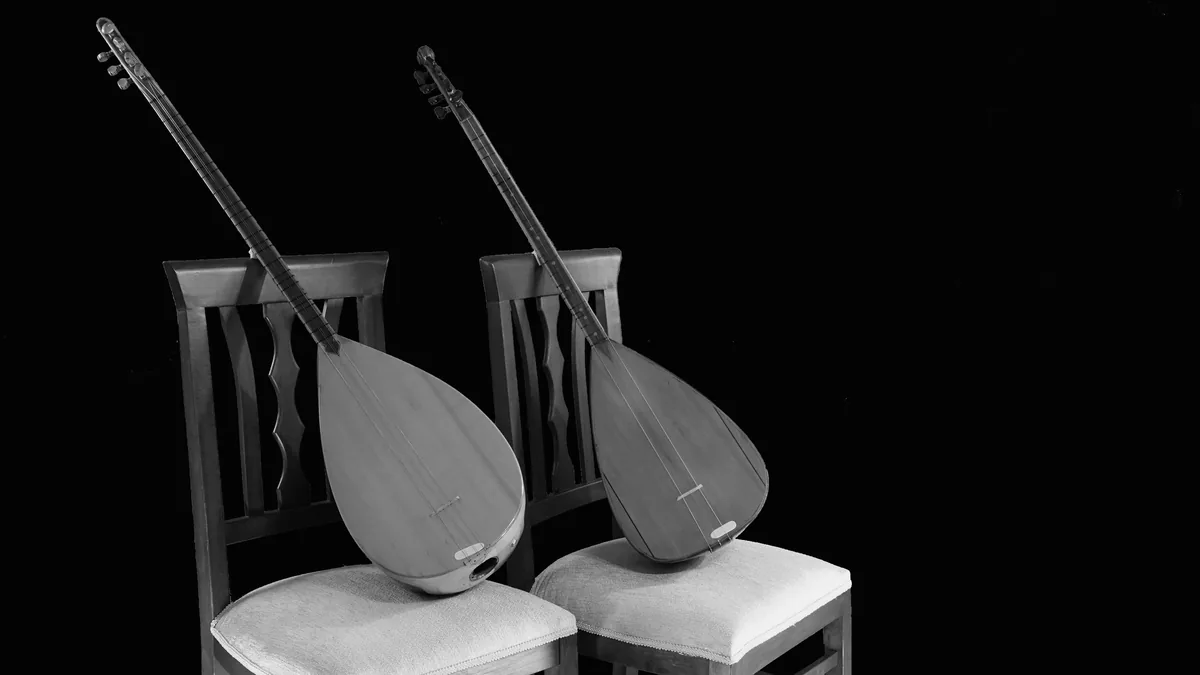
Across the country you will encounter a family of traditional instruments: the çifteli, a two-stringed long-necked lute popular in the north, the gërnetë (clarinet), the def (frame drum) and various flutes and bagpipe-like instruments.
Dance is inseparable from the music. Traditional Albanian dances, valle, are usually performed in a line or circle, with dancers linking hands or shoulders. Different regions have their own steps and rhythms, and you will see them at weddings and festivals, where guests are often pulled in to join.
Where to experience it
Folk traditions are alive, not just museum pieces, and a few moments stand out:
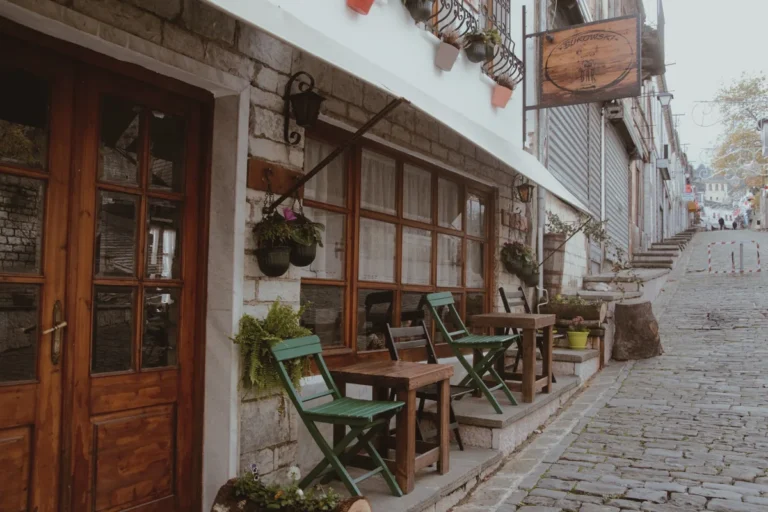
- National Folklore Festival, Gjirokastër: the country’s flagship folk event, held periodically in the castle of this UNESCO town. If it falls during your trip, build around it. Gjirokastër is covered in our Gjirokastër guide.
- Weddings and village feasts: if you are lucky enough to be invited, this is where the music truly lives.
- Summer festivals and town squares: many towns host folk performances in the warmer months, which overlap with the wider calendar in our public holidays and festivals guide.
Modern Albanian music
Albania’s musical present is just as lively. Albanian-language pop and especially rap and hip-hop have a huge regional following, and artists of Albanian heritage have broken through internationally, most famously Dua Lipa, Rita Ora and Bebe Rexha, all with roots in Albania or Kosovo. Folk and modern often blend, with traditional melodies and the çifteli sampled into contemporary tracks, which is a nice symbol of a culture that holds on to its past while looking outward.
Frequently asked questions
What is Albanian iso-polyphony?
It is a traditional multi-voice singing style from southern Albania, usually unaccompanied, in which soloists sing over a sustained group drone. UNESCO recognises it as Intangible Cultural Heritage.
What instruments are used in Albanian folk music?
Common traditional instruments include the çifteli and lahuta (lutes), the gërnetë (clarinet), the def (frame drum) and various flutes, varying by region.
Where can I hear traditional Albanian music?
The National Folklore Festival in Gjirokastër is the flagship event. Weddings, village feasts and summer town-square performances are where folk music lives day to day.
Are there famous Albanian musicians?
Yes. Artists of Albanian heritage with global fame include Dua Lipa, Rita Ora and Bebe Rexha, while Albanian-language pop and rap are very popular across the region.
This is one piece of a larger mosaic. See our overview of Albanian culture.
Related guides: Gjirokastër guide, Albanian culture, Public holidays and festivals.