Religion in Albania: Faith, Tolerance and Coexistence
Quick facts: Albania is majority Muslim, including the Bektashi Sufi order whose world centre is in Tirana, alongside significant Orthodox and Catholic Christian communities. Religion was banned entirely under communism from 1967. Today Albania is known across Europe for easy religious coexistence, and faith tends to be a matter of heritage rather than strict practice.
Of all the things that surprised me about living in Albania, the religious atmosphere is the one I find hardest to convey to visitors. You will see a mosque, an Orthodox church and a Catholic cathedral within a short walk in Tirana, mixed-faith families are completely ordinary, and almost nobody asks or cares what you believe. After almost four years here, the word that keeps coming to mind is unbothered. This guide explains how that came to be and what it means for you as a visitor.
The religious make-up
Albania does not fit the neat picture people expect. Broadly, the population is:
- Muslim, the largest group, made up of Sunni Muslims and the Bektashi, a tolerant, mystical Sufi order. Albania is the global spiritual home of the Bektashi, whose world headquarters sits in Tirana.
- Orthodox Christian, concentrated in the south.
- Catholic, concentrated in the north, especially around Shkodër.
Exact percentages are debated and census figures are contested, partly because so many Albanians simply do not identify strongly with any faith. What matters in daily life is that the lines between these communities are soft.
Why religion sits so lightly
Two forces explain the relaxed atmosphere. The first is the long Ottoman period, during which conversions, intermarriage and a pragmatic blending of traditions were common, and the Bektashi order in particular bridged Muslim and Christian sensibilities.
The second is communism. In 1967 the regime declared Albania the world’s first officially atheist state and banned religion outright. Mosques and churches were closed, repurposed or destroyed, clergy were persecuted, and a generation grew up with no religious practice at all. When freedom of religion returned in 1991, faith came back as a gentle part of family identity rather than a rigid daily structure. You can read more about that era in our guide to communism in Albania.
Coexistence in practice
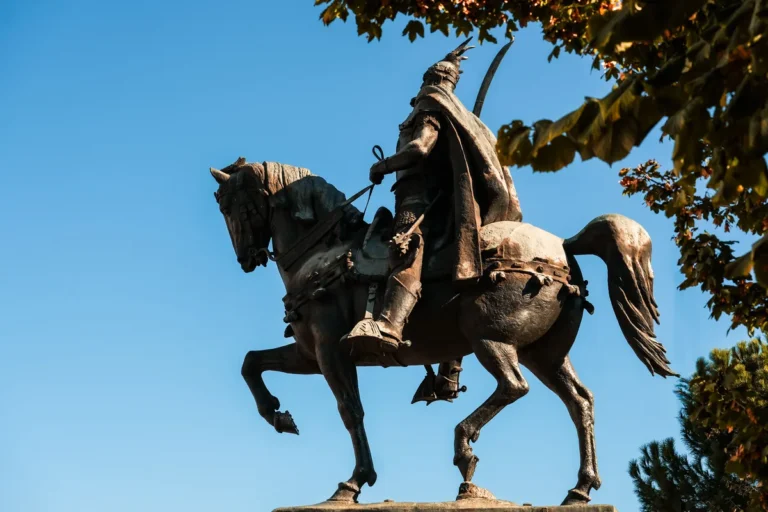
Albanians are rightly proud of their religious harmony, and it is genuine. You will see it in mixed marriages, in families that celebrate both Eid and Christmas because relatives belong to different faiths, and in the way the national hero Skanderbeg and the flag unite people across religious lines.
The shared honour code of besa, the duty to protect a guest, cuts across religion too. The most cited example is the Second World War, when Albanian families of every faith sheltered Jewish refugees, and Albania is widely described as ending the war with more Jews than it began with. More on that idea in our guide to besa.
A note for visitors
For travellers, the practical upshot is that Albania is very easy. You do not need to navigate religious sensitivities the way you might elsewhere. A few small courtesies still apply at active religious sites:
- Dress modestly inside mosques and churches: cover shoulders and knees, and women should carry a scarf for the head in mosques.
- Remove your shoes before entering a mosque.
- Ask before photographing people at prayer.
These are the same manners you would use anywhere, and they sit within the broader Albanian customs and etiquette worth knowing. None of this is about safety, which we cover separately in is Albania safe.
Sites worth seeing
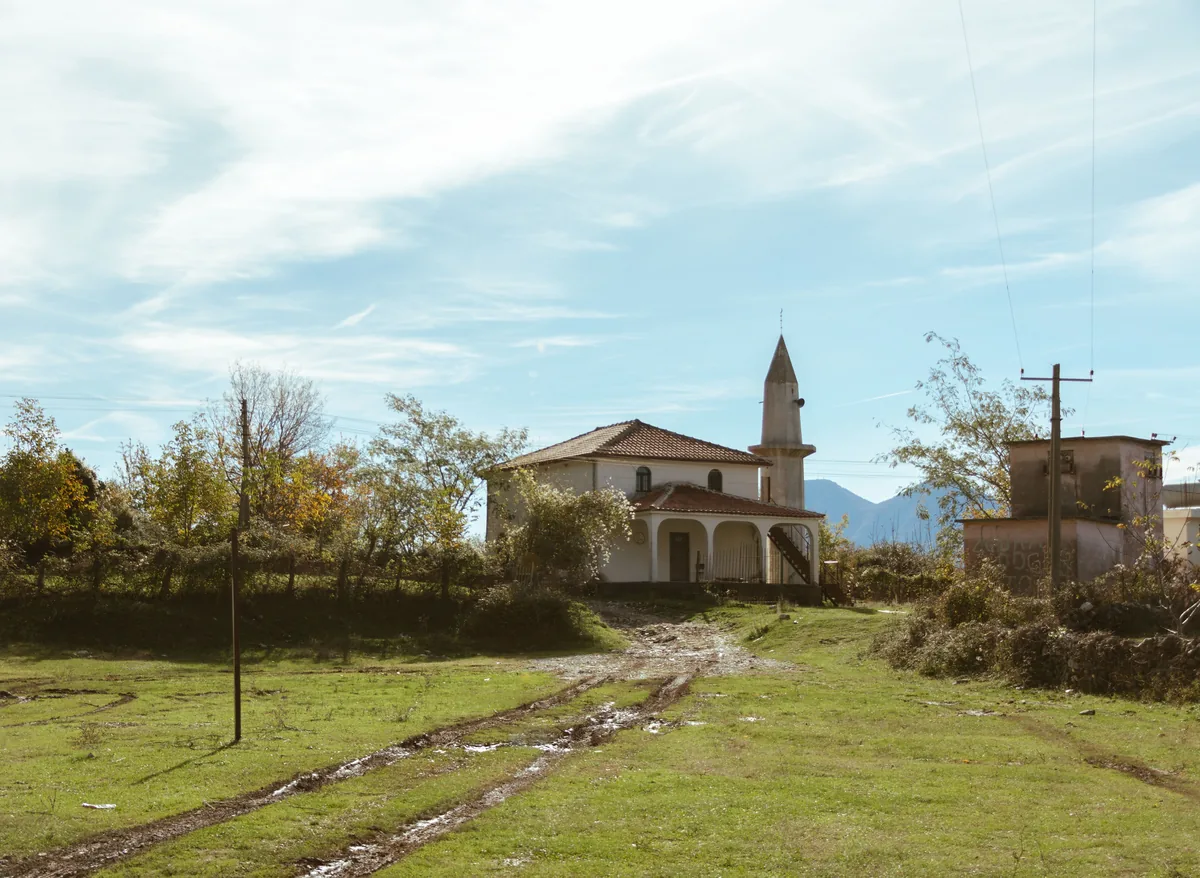
Religion has left Albania some beautiful places. The Et’hem Bey Mosque on Tirana’s main square, the Orthodox churches and icons of Berat, sometimes called the “city of a thousand windows,” and the cathedrals of the Catholic north are all worth a stop. The Bektashi world centre in Tirana is open to respectful visitors. Many of these sit within the destinations covered in our Berat and other guides.
Frequently asked questions
Is Albania a Muslim country?
Albania has a Muslim majority by heritage, including the Bektashi Sufi order, but it is a secular state with large Christian minorities and a famously relaxed, non-strict religious culture.
Why is Albania so religiously tolerant?
A combination of centuries of Ottoman-era blending and intermarriage, the unifying force of national identity, and the communist ban on religion, which left faith as a light part of family heritage rather than a rigid practice.
Can you practise any religion freely in Albania?
Yes. Freedom of religion is constitutionally protected and was restored in 1991. Mosques, churches and Bektashi centres operate openly side by side.
Do tourists need to follow a dress code?
Only inside active religious sites, where you should cover shoulders and knees and remove shoes in mosques. Elsewhere, especially on the coast, dress is relaxed.
Curious how this fits the bigger picture? See our overview of Albanian culture.
Related guides: Albanian culture, Besa, Communism in Albania, Is Albania safe.